History Museum
History Gallery
National Museum History Dioramas in immersive experience
National Museum History Dioramas in immersive experience
The History Museum of the National Monument is located 3 meters below the ground surface of the Monument with an area of 80x80 meters. Dioramas are stored in air-tight glass with special lighting and display 51 dioramas depicting the journey of Indonesian history, from prehistoric times, great Nusantara kingdoms, colonial era, independence struggle, to the New Order era.
Immersive visual & audio experience through history.
*You can change language, enable sound & disable it using the interactive buttons in the top right corner
Loading...
0%

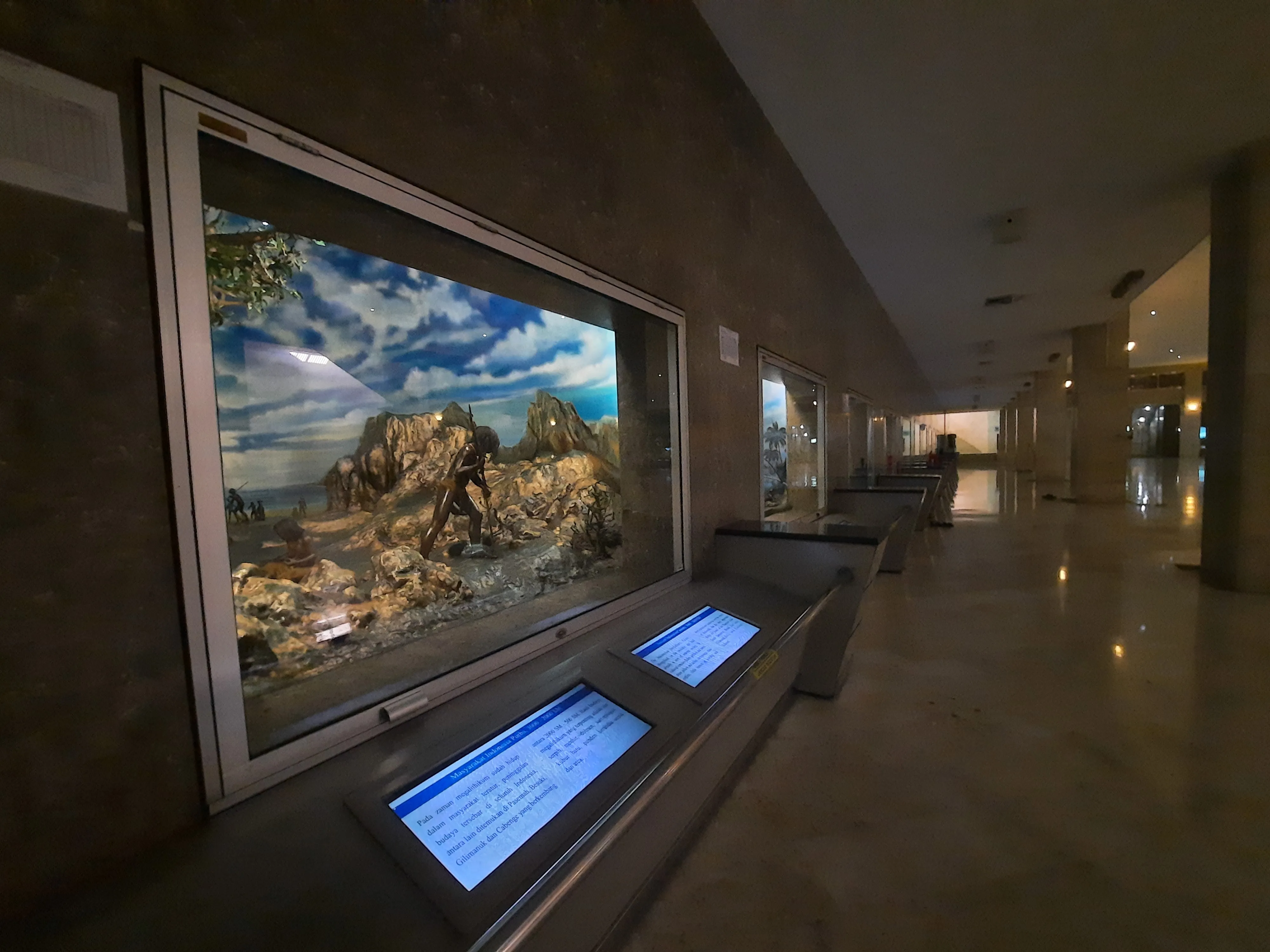
During the Megalithic age, people lived in organized societies. Cultural artifacts are spread throughout Indonesia, found in places like Pasemah, Besuki, Gilimanuk, and Cabenge, which thrived between 2000 BC and 500 BC. The most important Megalithic cultural artifacts are flake tools, menhirs, dolmens, sarcophagi, stone graves, stepped terraces, and statues.
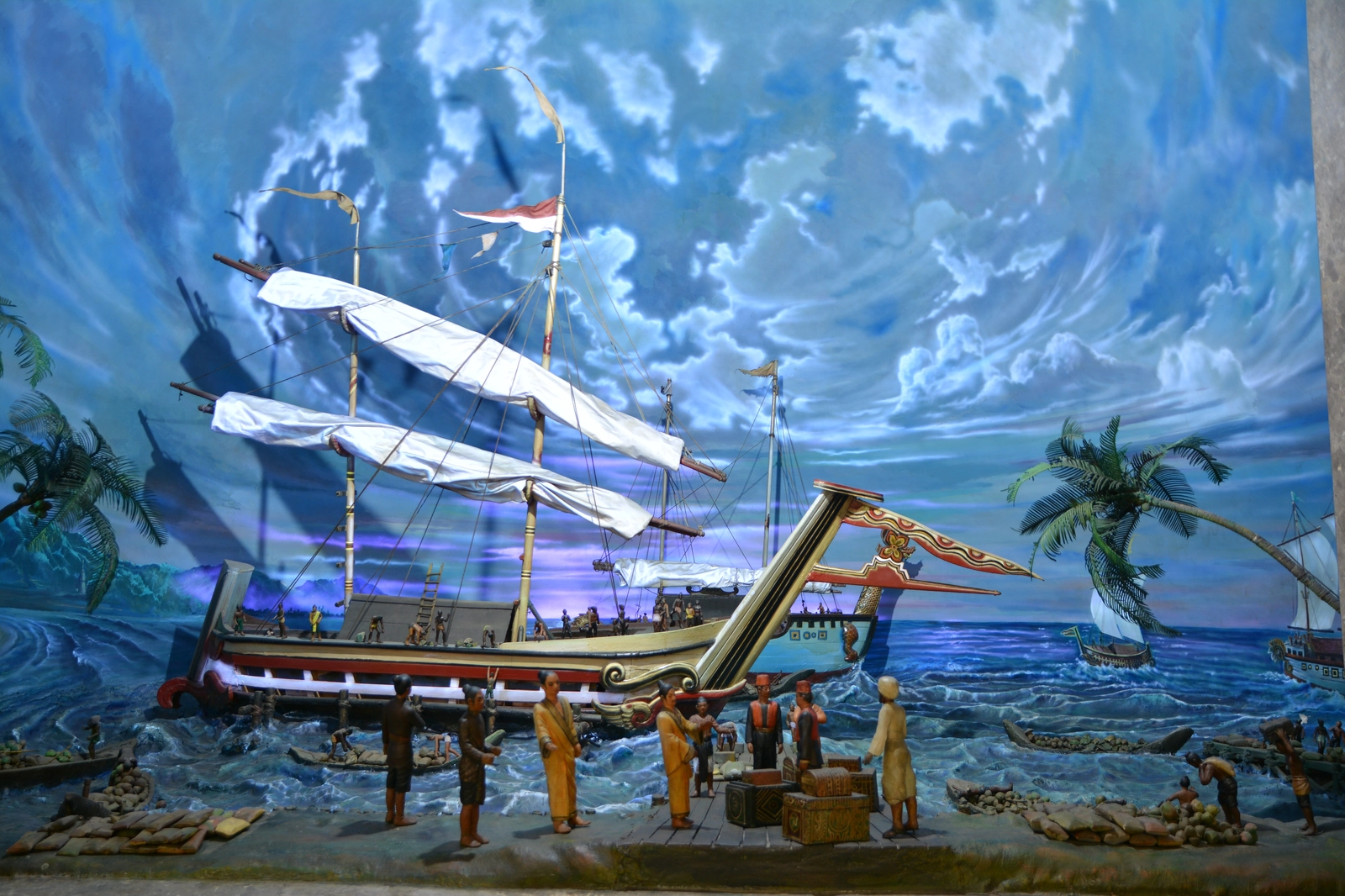
Located on the shipping route between Indonesia, China, and India, it played a vital role in trade, bringing great profit to the Srivijaya Kingdom. Many foreign ships docked here, and Buddhist monks from China often stopped by and stayed for long periods to study Buddhism. The Port of Srivijaya eventually developed into a center of commerce and culture.
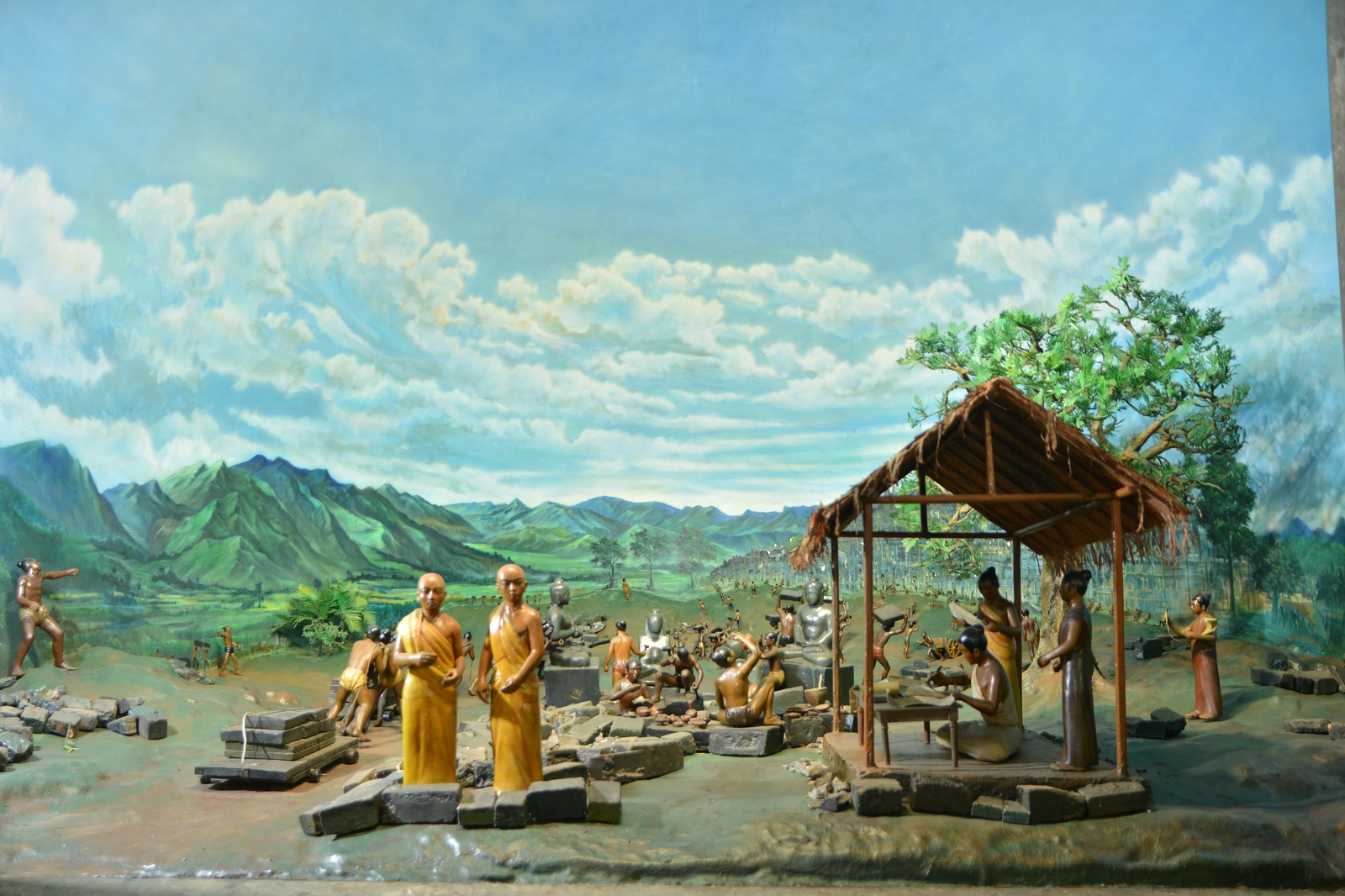
Borobudur was built by King Samaratungga of the Sailendra dynasty with the collective help and contributions of Buddhists. The entire structure is shaped like a giant stupa and reflects the universe. In the construction of the temple, nearly two hundred thousand cubic feet of stone were used. A total of 504 Buddha statues and 1,555 large and small stupas complete this magnificent Buddhist monument.
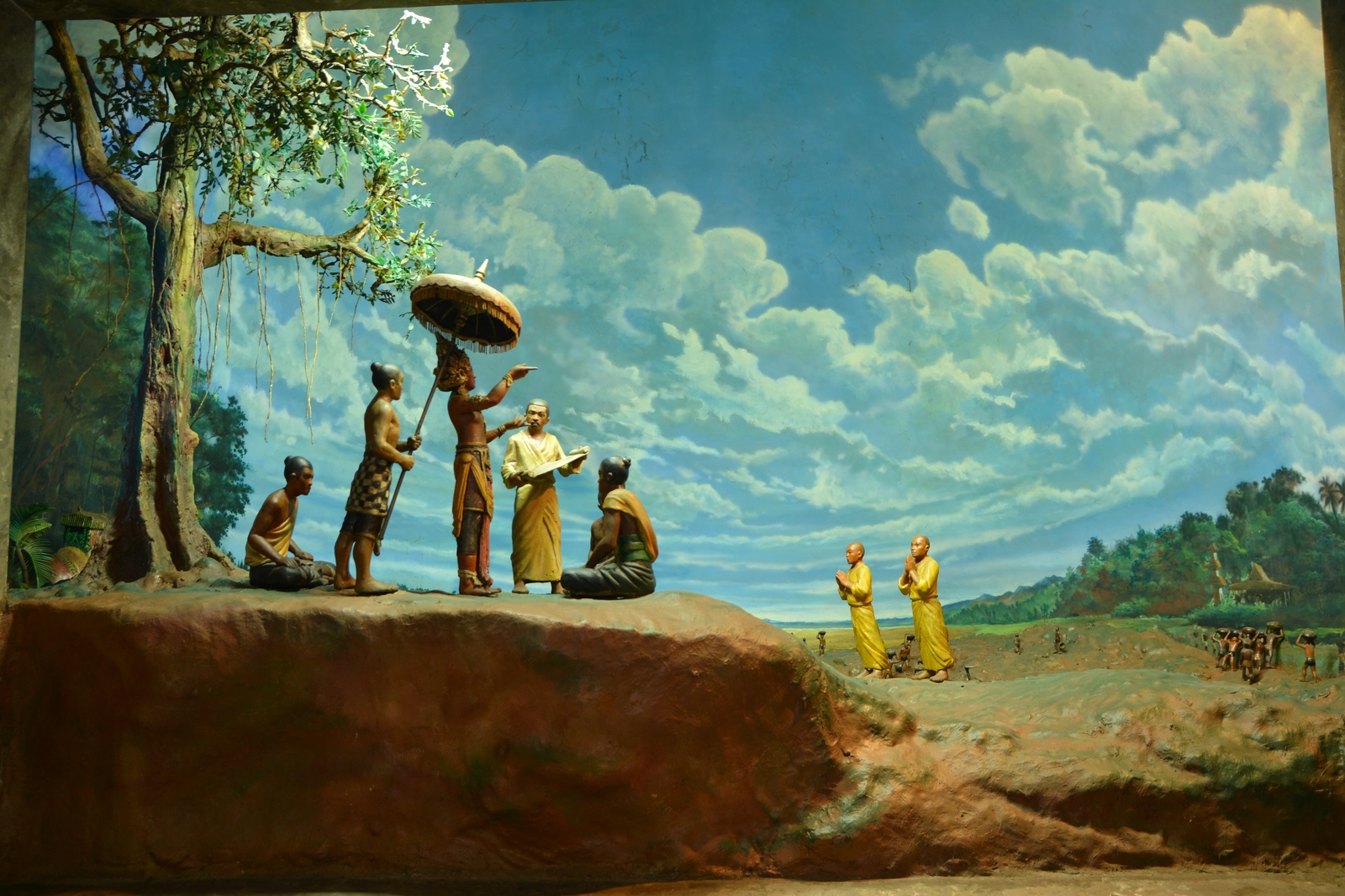
After King Airlangga successfully united his territory, the people's prosperity was improved. The Brantas River was dammed near Kelagen for irrigation and flood control. Local people were appointed to maintain the dam, and in return, the area was exempted from paying taxes. As a result, shipping on the Brantas River became busier, and the Port of Hujung Galuh became an inter-island trade center.
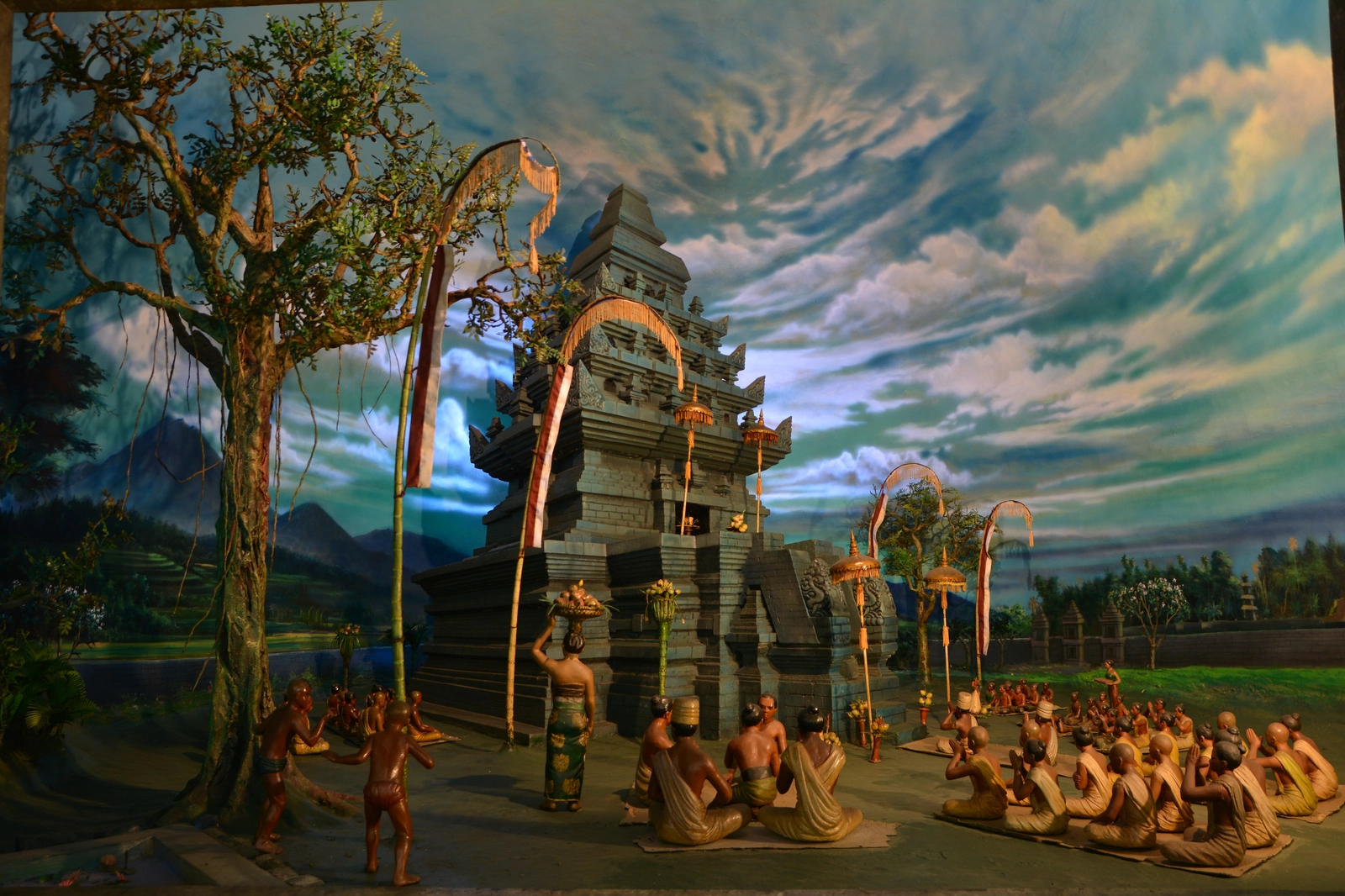
The blend of Shivaism and Buddhism as a result of syncretism can be seen in Jawi Temple, located on Mount Welirang, southwest of Pandakan. This temple was built during the reign of King Kertanegara, the last king of Singasari. Its peak is shaped like a Ratnastupa; at the top, there is a statue of the Akshobhya Buddha, and at the bottom, a statue of Shiva Mahadeva.
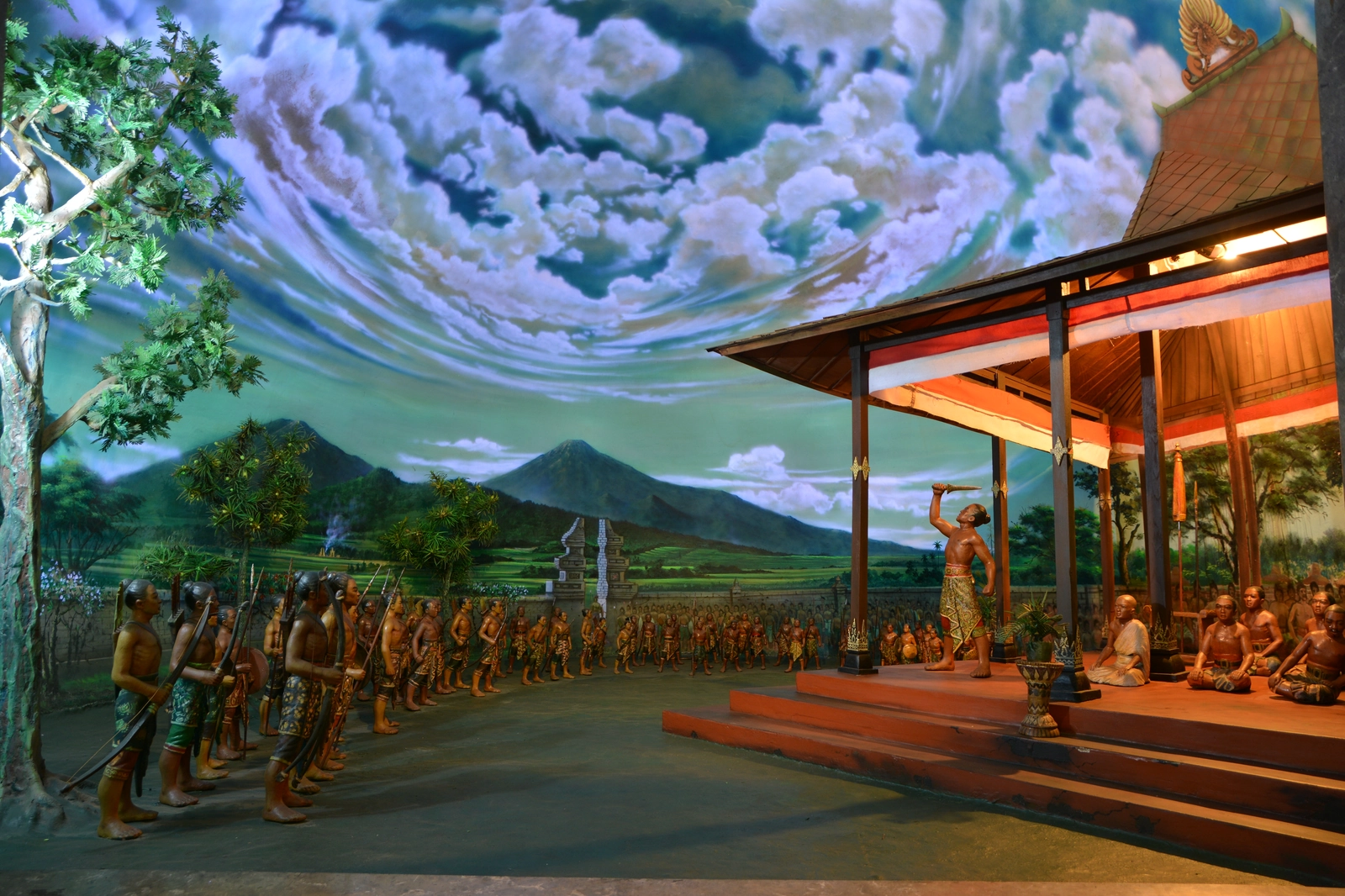
After Gajah Mada successfully resolved the Sadeng War in 1331, to defend the integrity of the Majapahit State, he swore not to eat Palapa before the archipelago could be united. The Palapa Oath was the predecessor to the ideals of Indonesian unity, which were later championed by the pioneers of independence since 1908.
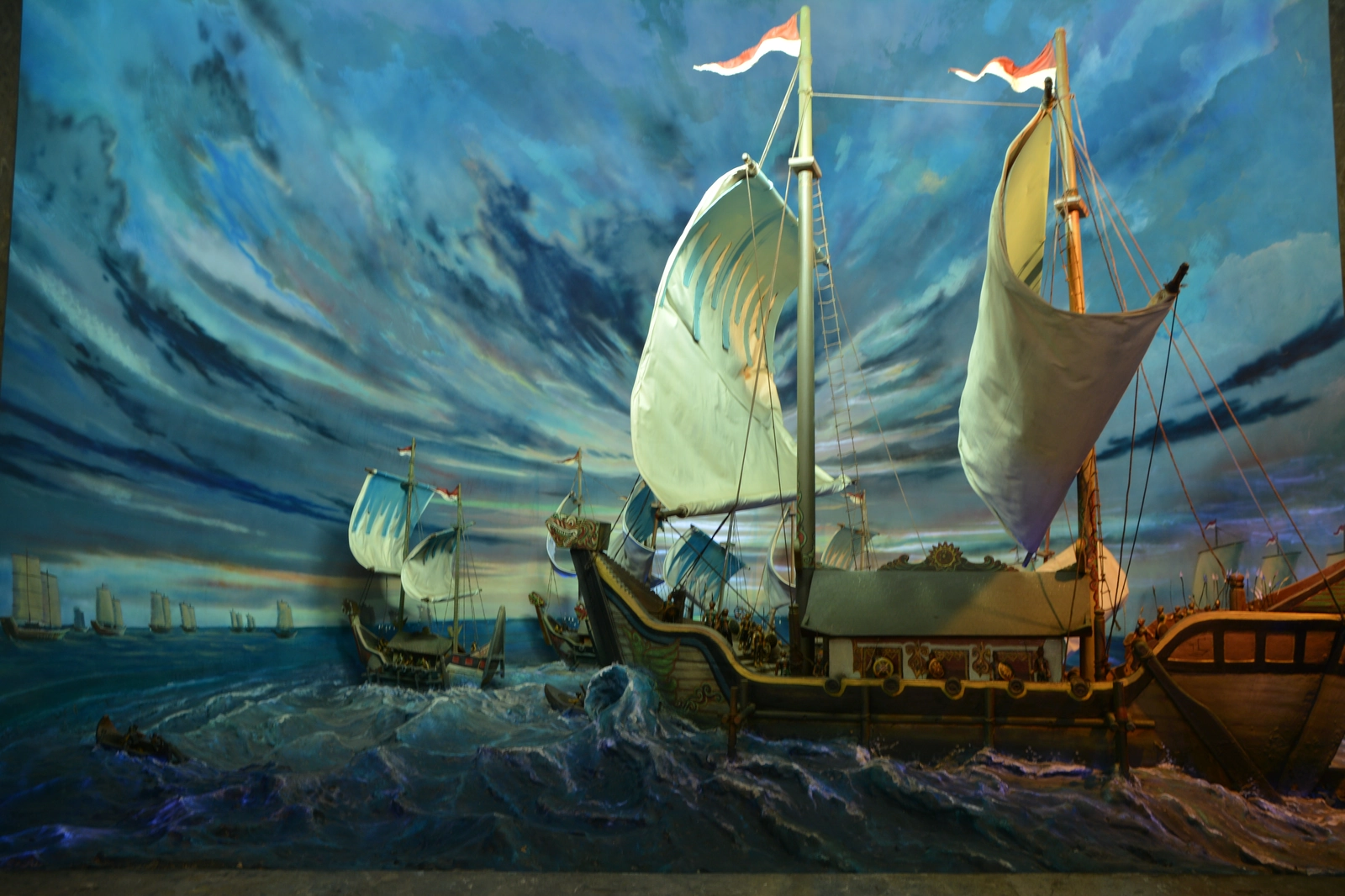
After the death of Gajah Mada, difficulties arose in the government of Hayam Wuruk. The new government tried to maintain the integrity of the archipelago by taking actions aimed at the prosperity of the people and the security of the regions. This was evidenced by strengthening the war fleet to protect the archipelago's integrity and overcome disruptive efforts, including those by the Chinese fleet.
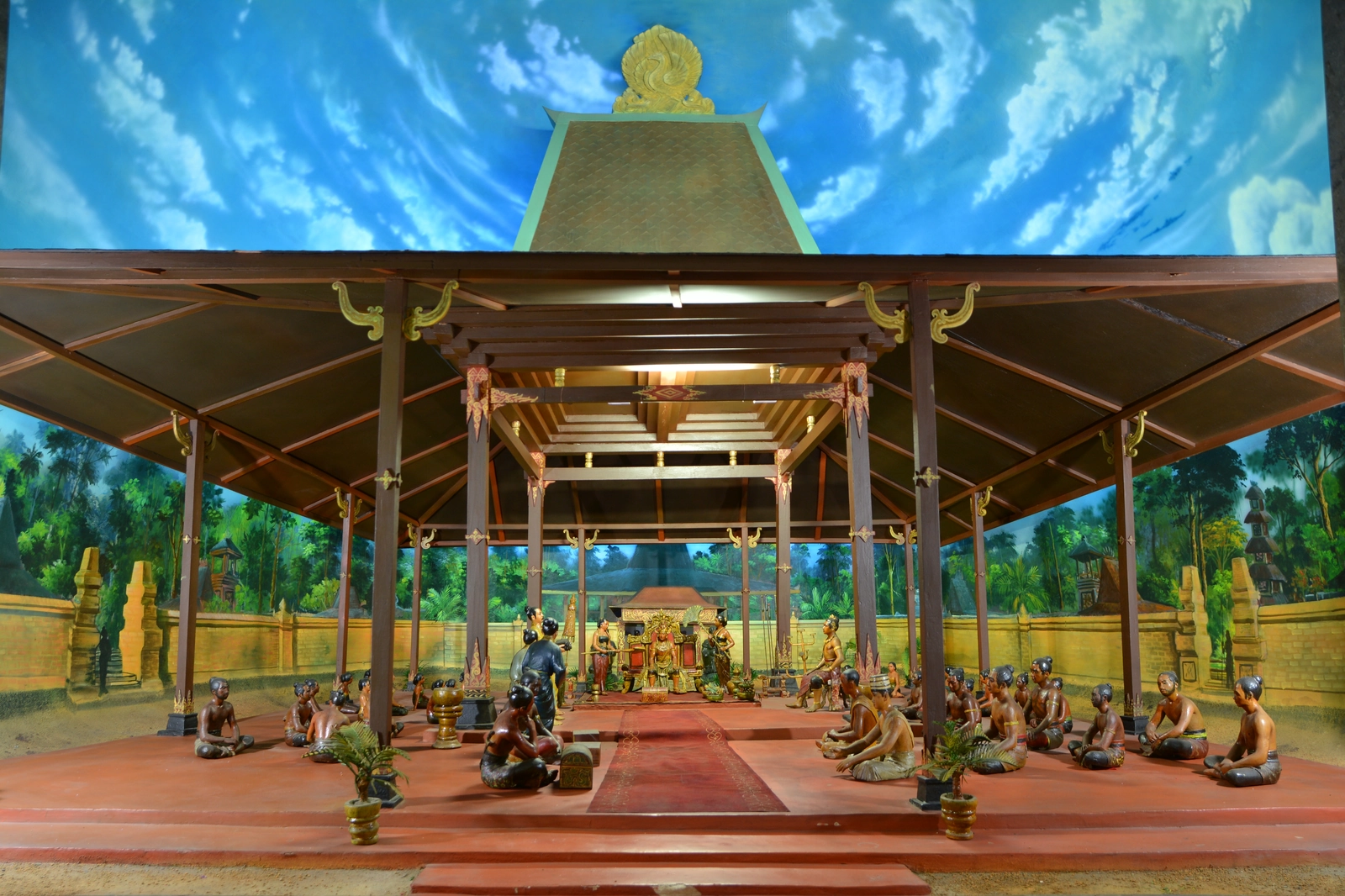
Since Majapahit experienced its golden age, friendly relations with neighboring countries went well. The recognition of Majapahit's sovereignty by China was marked by the visit of Zheng He in 1405, who was received by Wikramawardhana.
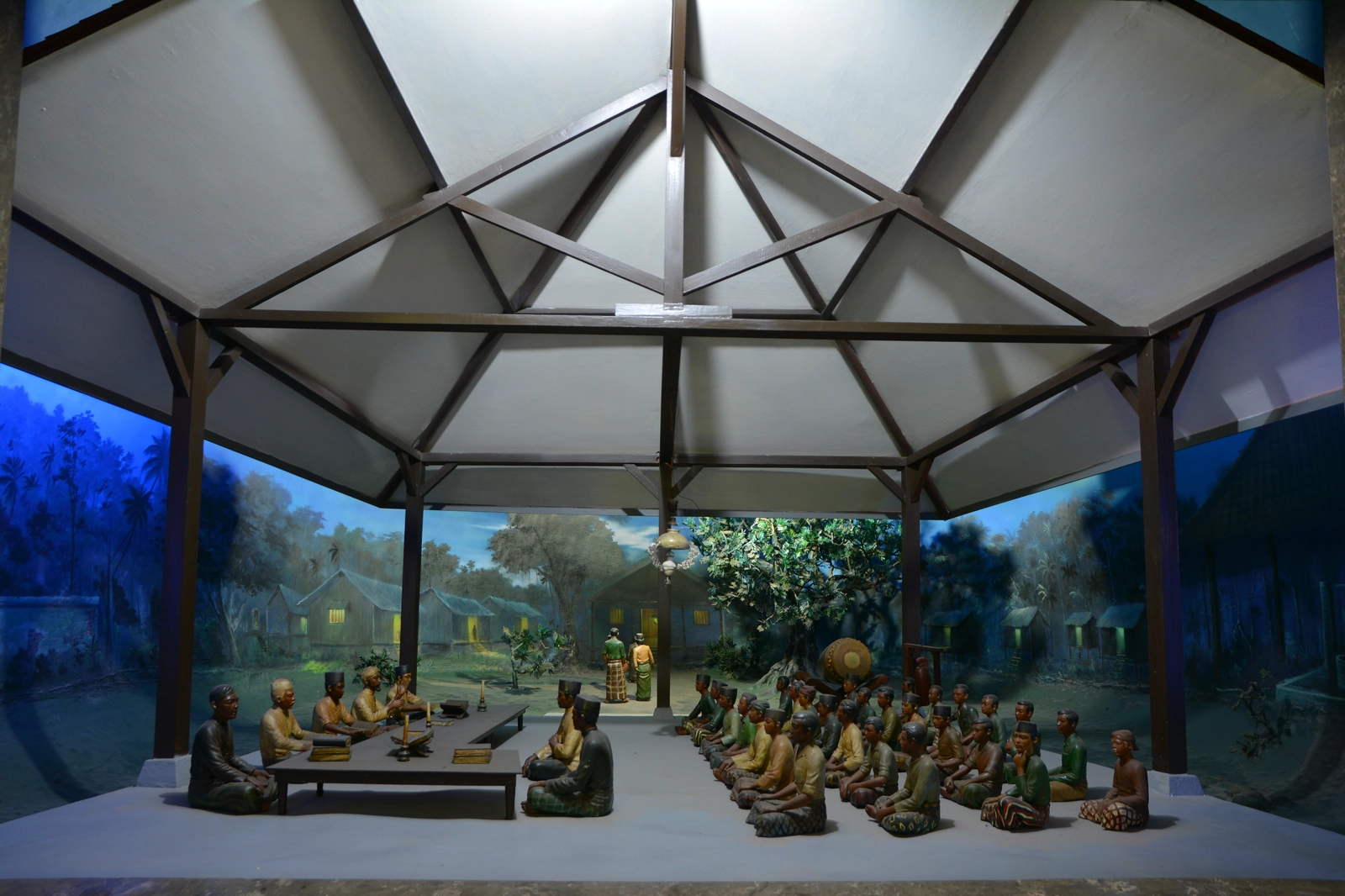
One of the ways Islam was propagated in Indonesia was through education in pesantren or Islamic boarding schools run by religious teachers, kyai, or ulama. The activities of these boarding schools and kyai in spreading Islam and developing public education played an important role in the process of national unification.
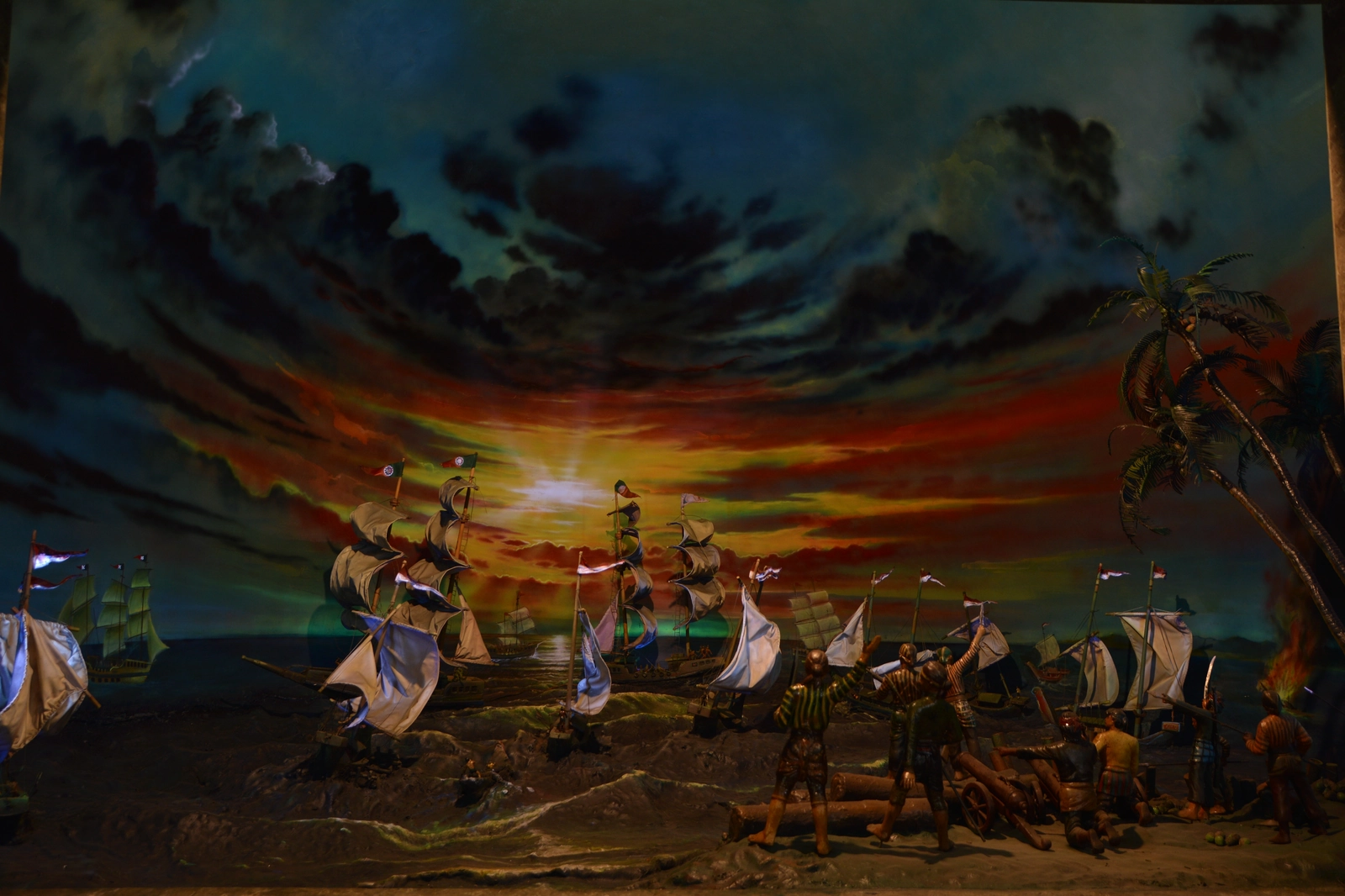
To stem the influence of the Portuguese, who had ruled Malacca since the early 16th century, Sultan Trenggana of Demak sent Fatahillah and his troops. In 1527, Fatahillah successfully captured Sunda Kelapa before the Portuguese could build a fort at the port, as per their 1522 agreement with the King of Pajajaran. In the battle on June 22, 1527, at the port of Sunda Kelapa, Fatahillah defeated the expedition of Francisco de Sá sent by the Portuguese to build the fort. The name Sunda Kelapa was changed to Jayakarta, meaning "city of victory."

The voyages of the Makassarese and Buginese people since the 15th century covered all the waters of the archipelago. A picture of the vastness of the areas visited is clearly seen in the writings on the Amanna Gappa maritime law and the Buginese sea maps.
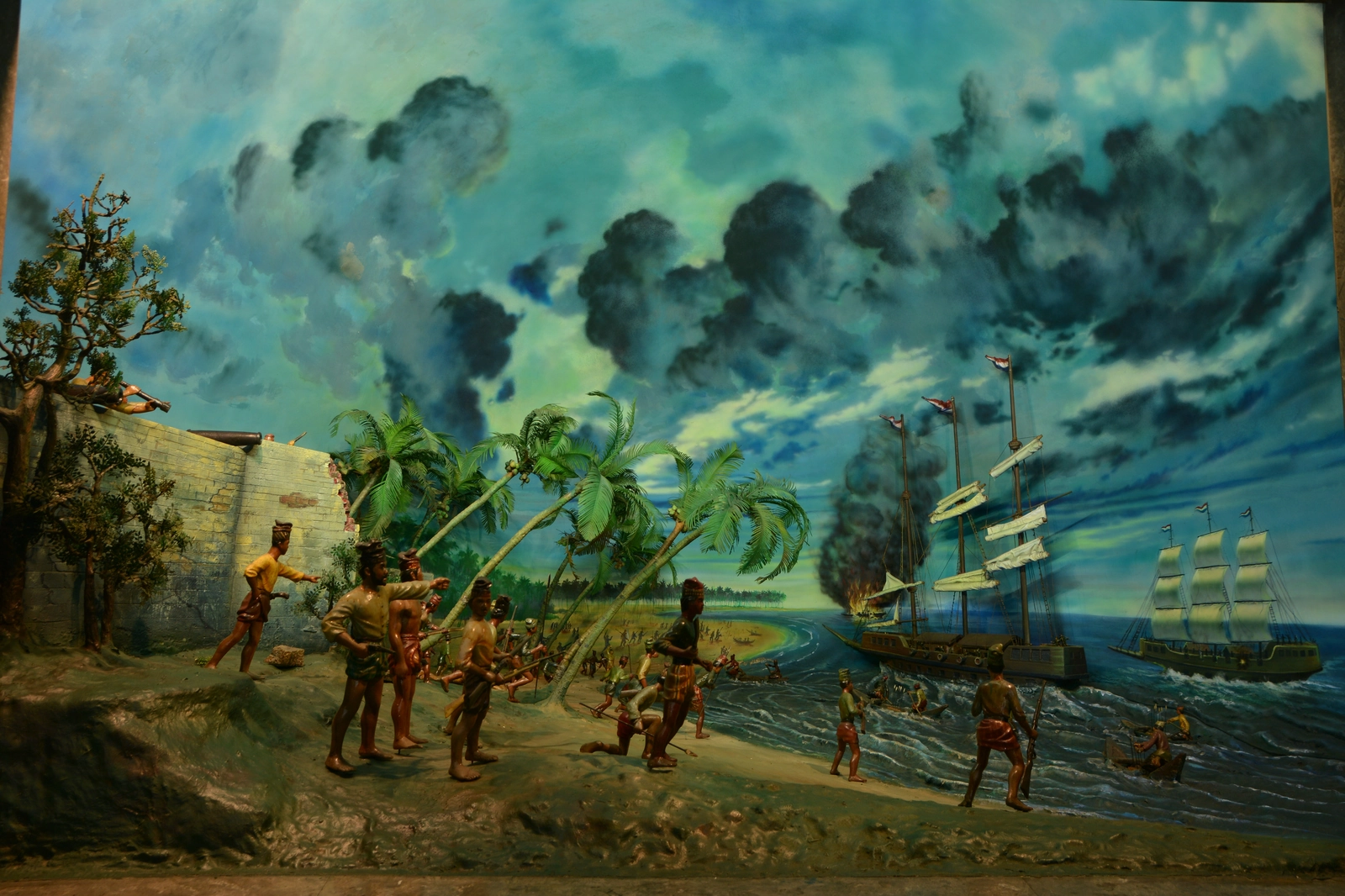
Sultan Hasanuddin opened the port of Makassar to countries wishing to trade with Makassar. The development of Makassar and Hasanuddin's attitude of implementing a free trade policy with other countries caused conflict with the Dutch, who implemented a trade monopoly, eventually leading to war. On August 8 and 9, 1668, Sultan Hasanuddin led the battle to defend the Somba Opu fort from the Dutch attack.
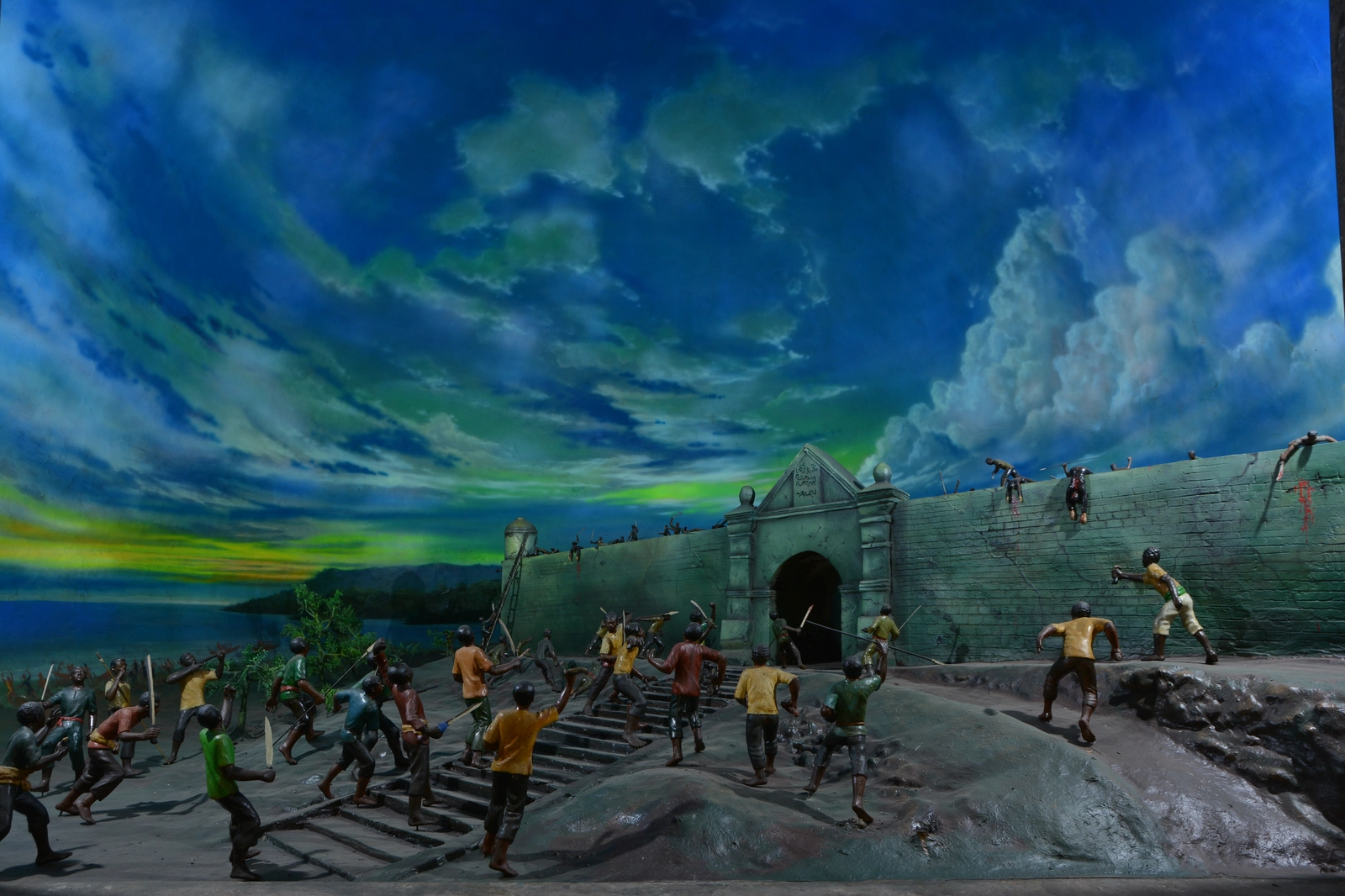
Based on the London Convention of 1814, the Dutch regained power in Indonesia, and resumed implementing a trade monopoly and all forms of exploitation. The people of Maluku refused to accept the Dutch monopoly policy and subsequently staged a resistance under the leadership of Pattimura. On May 15, 1817, Pattimura, along with the people, attacked Fort Duurstede in Saparua and successfully captured it.
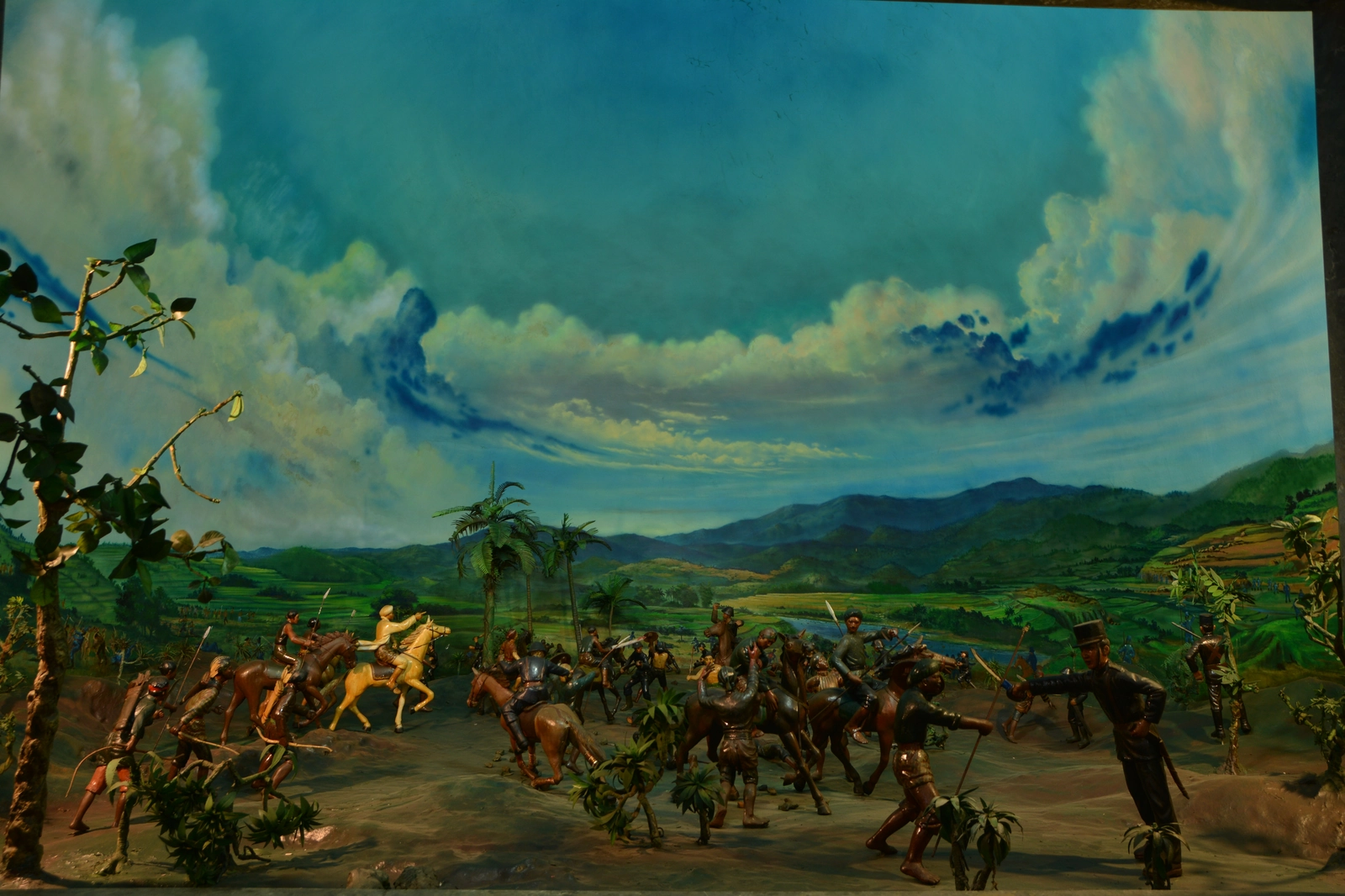
The war sparked in 1825 by Diponegoro was a total people's resistance that lasted continuously, causing the Dutch to lose as many as 15,000 soldiers. In the battle around the Bogowonto River, Diponegoro successfully defeated the Dutch cavalry. Through a trap disguised as negotiations, Diponegoro was finally arrested in Magelang on March 28, 1830.
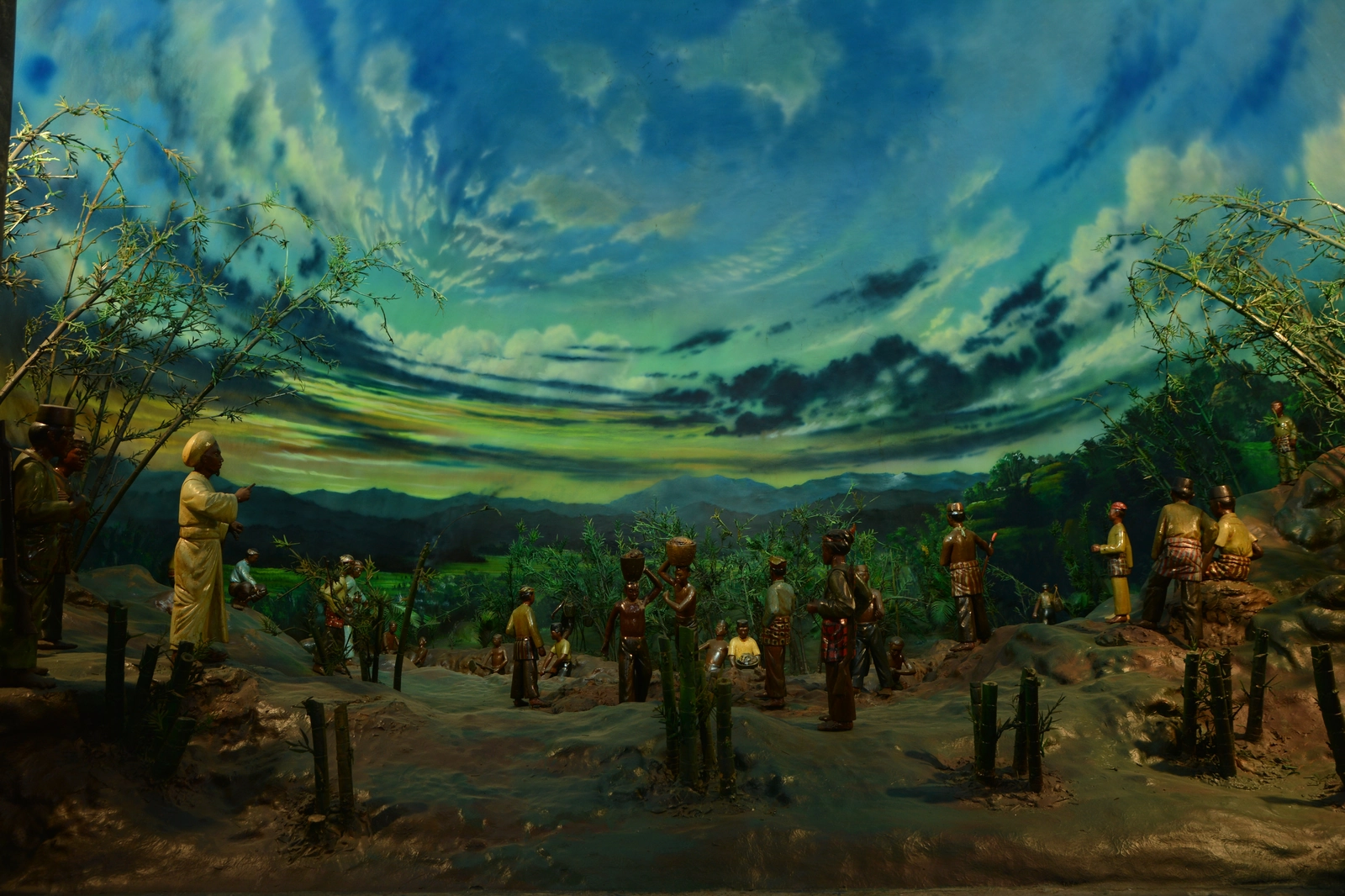
Upon the return of the Islamic scholars from the holy land, they saw that the people's way of life was not in accordance with Islamic teachings. The scholars, led by Tuanku Imam Bonjol, initiated reforms that were opposed by the traditional leaders. To strengthen their position, the Dutch then sided with the traditional leaders. Realizing the expanding power of the Dutch, resistance against them was eventually carried out jointly by the scholars and the traditional leaders. Tuanku Imam Bonjol gathered his strength by, among other things, building defensive trenches.
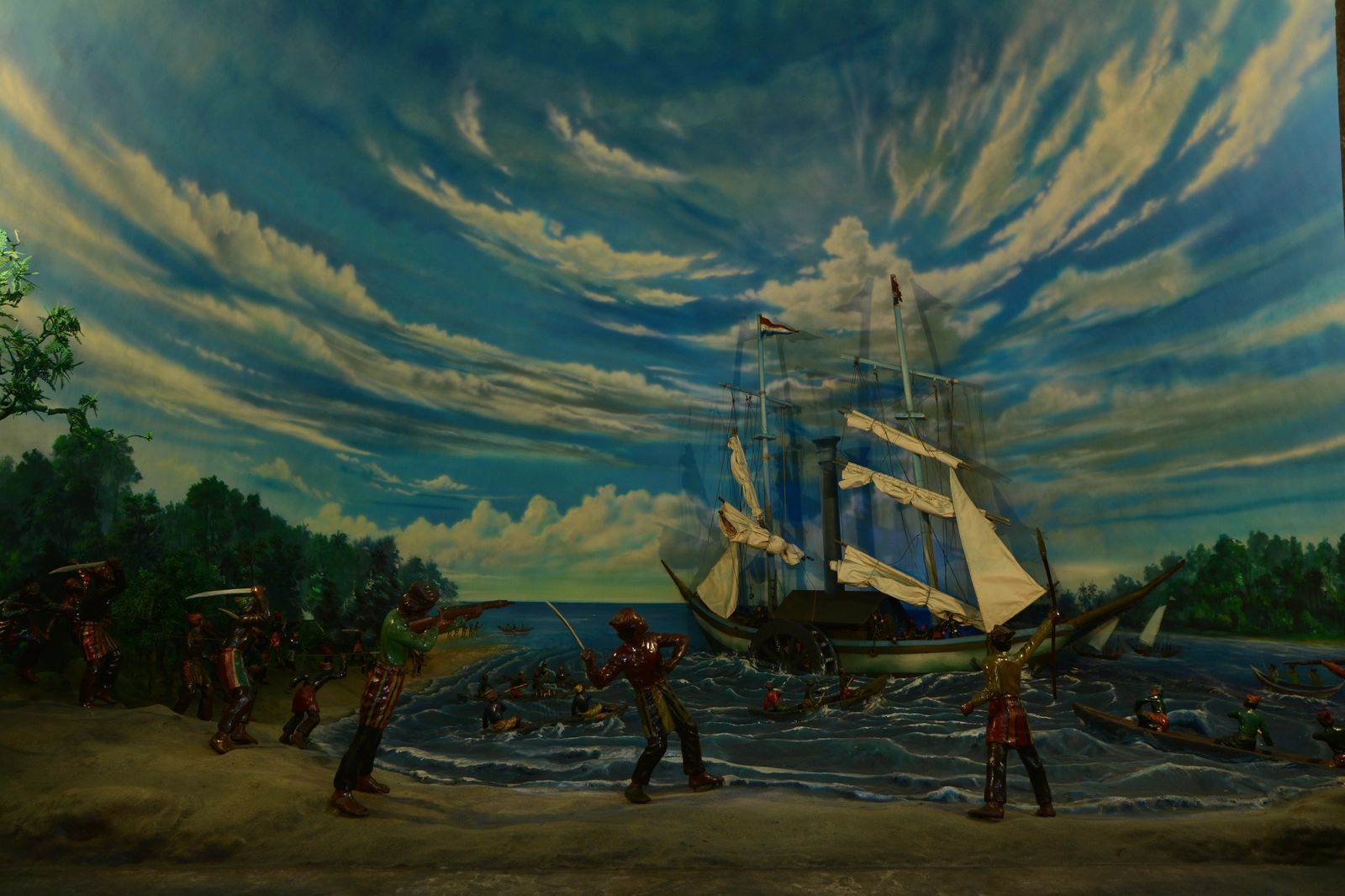
To ensure that natural resources from Kalimantan, such as coal, oil, rubber, and others, did not fall into the hands of other nations, the Dutch tried to control Banjar by interfering in the government of the Banjar Sultanate. This became the reason for the people of Banjar to take up arms against the Dutch under the leadership of Prince Antasari. The attack on the Dutch ship Onrust in Lontartur was carried out by Prince Surapati, the brother of Prince Antasari.
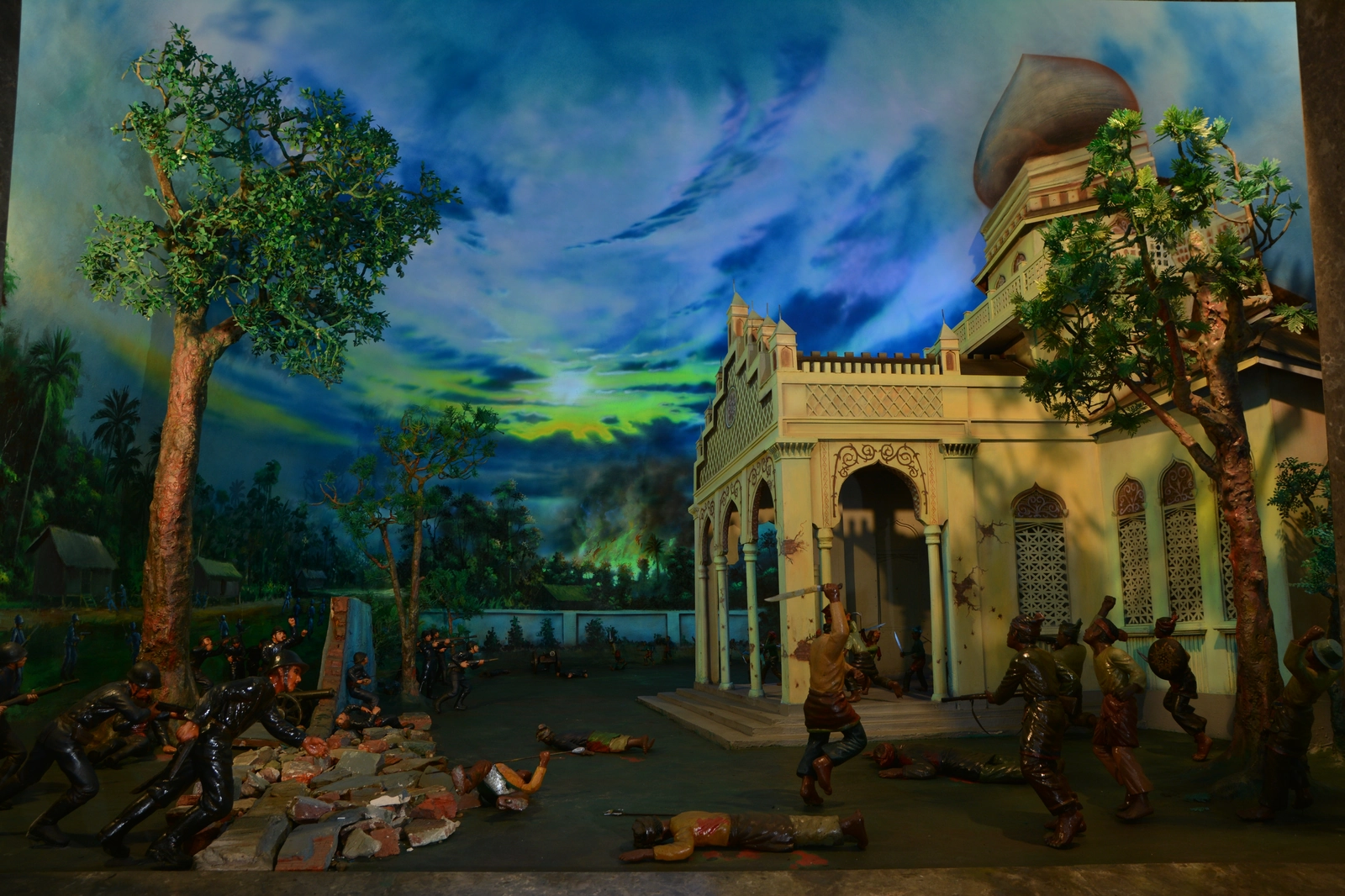
Aceh rejected Dutch demands to stop its relations with other countries. The Dutch immediately sent an expedition led by Major General Köhler. The first Dutch attack failed, and their commander, Köhler, was even killed in a battle in the courtyard of the Baiturrahman Grand Mosque in Banda Aceh. The burning of the Baiturrahman Grand Mosque further grew the spirit of the people's resistance against the Dutch.
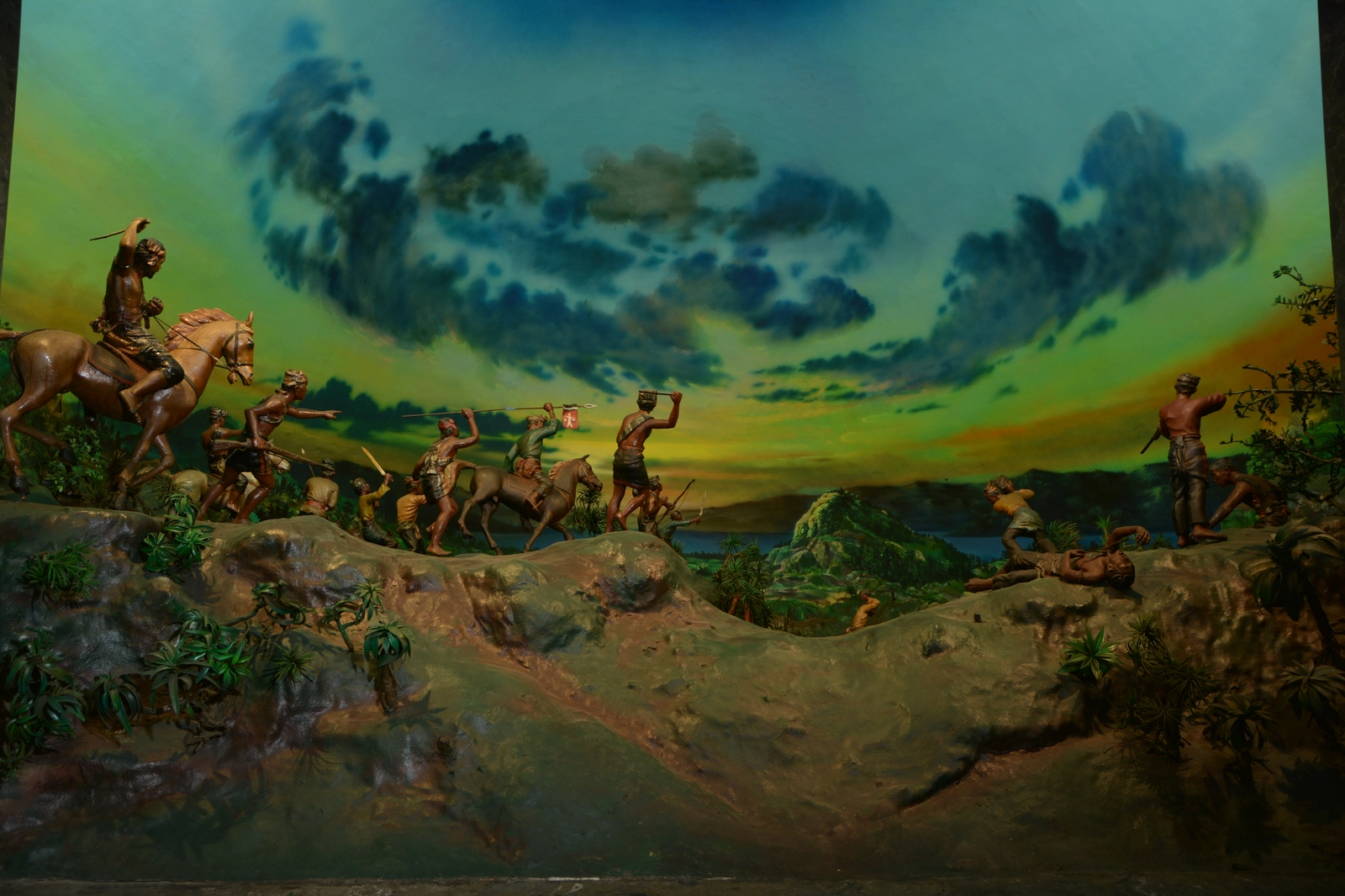
Under the pretext that missionaries were often disturbed by Sisingamangaraja's troops, the Dutch expanded into Tapanuli. The first clash with the Dutch occurred on February 15, 1878, after Sisingamangaraja warned the Dutch troops to leave Tapanuli. The resistance against the Dutch later received help from the people of Aceh and Minangkabau. In the battle of Tanggabatu near Balige in 1884, Sisingamangaraja managed to push back the Dutch troops.
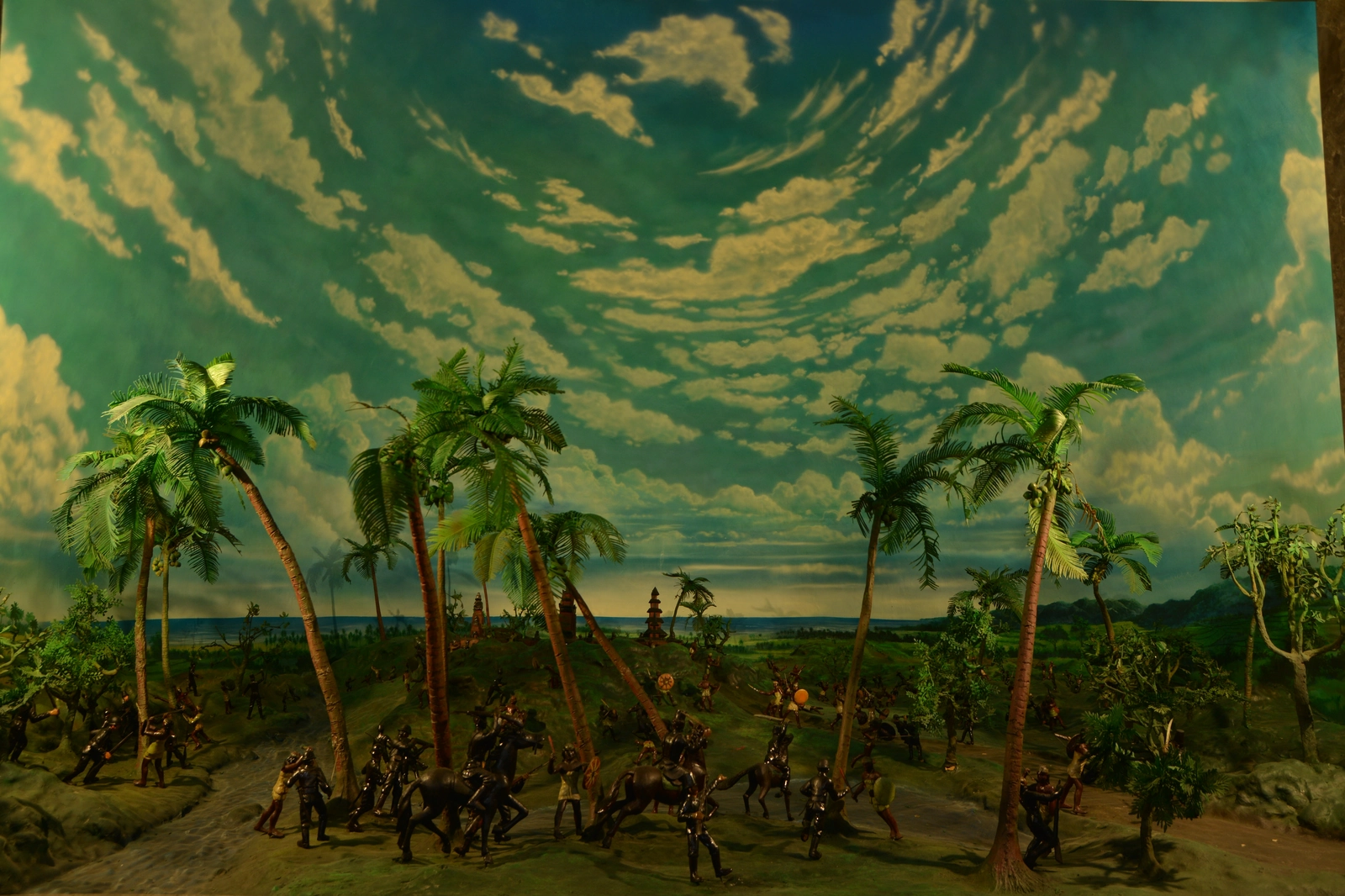
In 1841, the Dutch forced the abolition of the Tawan Karang regulation, which was recognized as customary law in Bali, but this was rejected by Buleleng and Karangasem. Although Buleleng and Karangasem were occupied during the Dutch attack in 1840, the fighting spirit of the people remained ablaze, and they prepared defenses in Jagaraga. The battle in front of the Dalem Jagaraga Temple ended with the death of everyone inside the temple, better known as the Puputan Jagaraga.
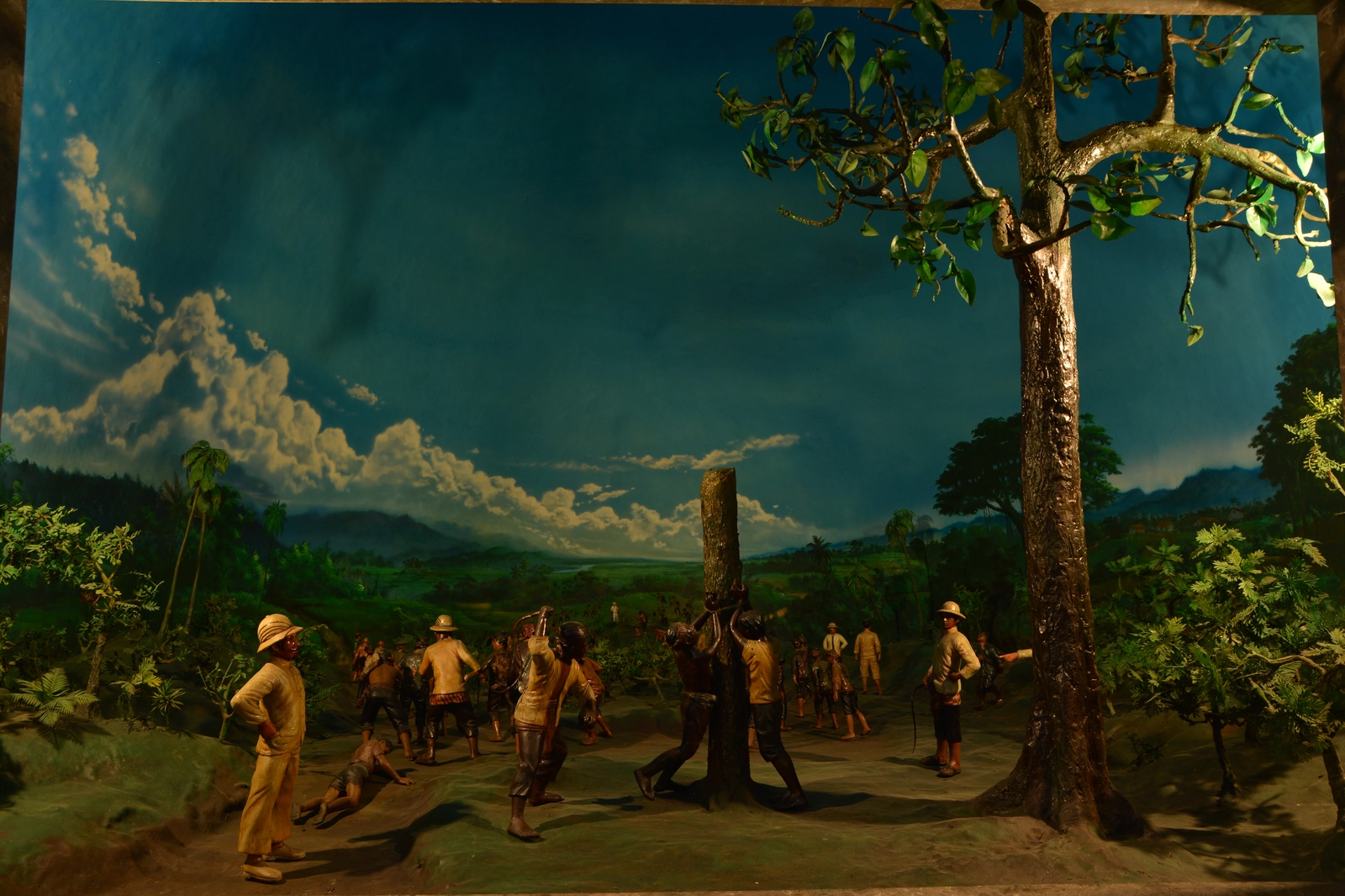
The Diponegoro War resulted in a financial crisis for the Dutch. To overcome this crisis, Governor-General Van den Bosch forced the people in Java to plant most of their land with crops that sold well in Europe, such as indigo, coffee, tea, pepper, sugar, and cinnamon. People who did not own land were forced to work on the plantations. For the Indonesian people, the Cultivation System was an extraordinary exploitation, causing famine because they had no opportunity to cultivate their own rice fields and farms.

The Protestant Church, with its missionaries, actively spread propaganda, especially in underdeveloped areas. In 1930, the Association of Christians and the Indonesian Christian Party were established. Both were part of the national movement. In addition to moving in the religious field, they were also active in the educational and social fields, directly helping to unite the Indonesian nation, which was undergoing a process of national unification.
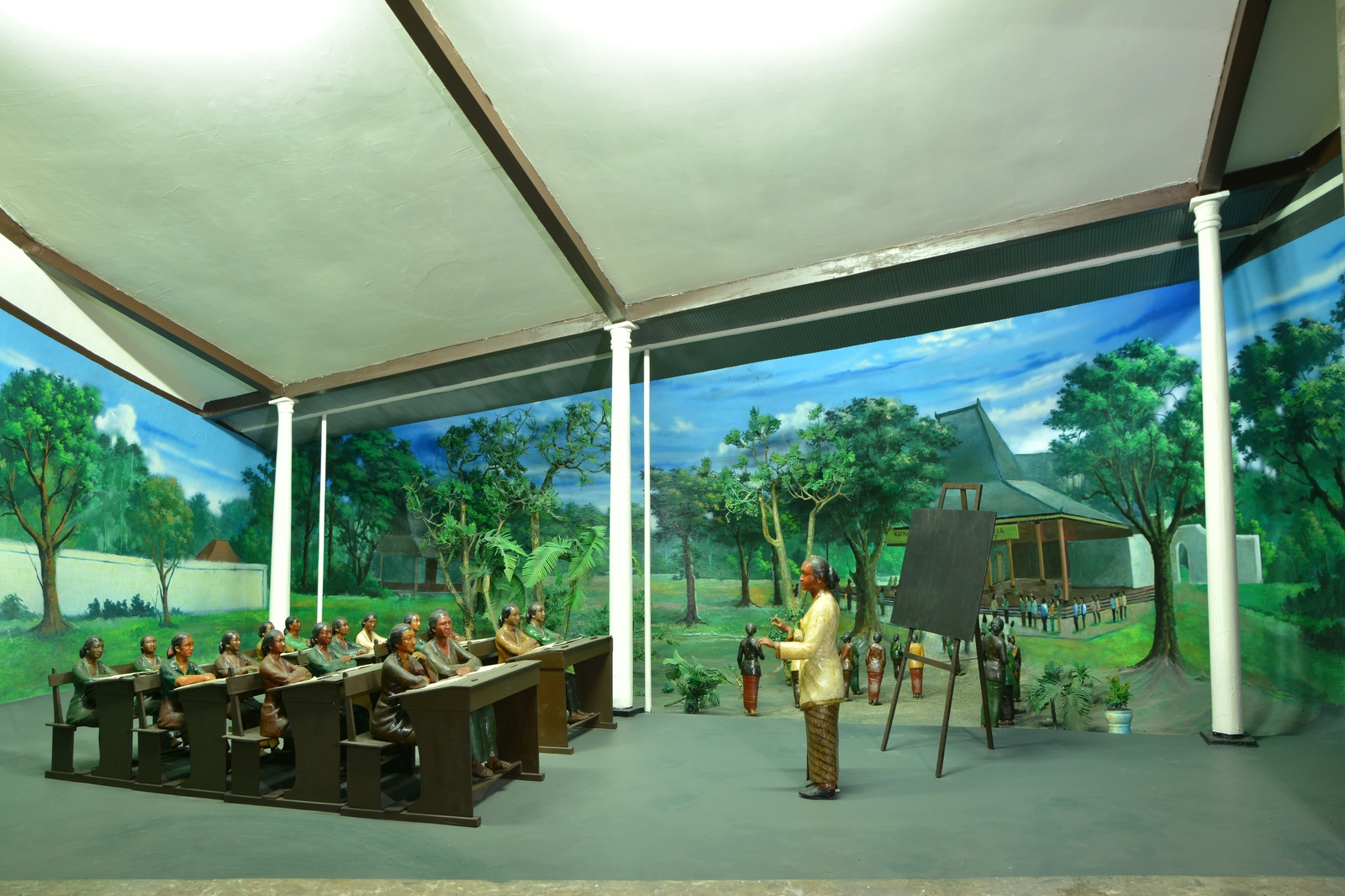
The movement to pursue progress at the end of the 19th century was evident from the need for education. Kartini emerged as a champion for her people when the general view was still plagued by strong conservatism regarding girls. Kartini's thoughts on freeing her people from backwardness were reflected in the letters sent to her close friends in the Netherlands, which were later compiled in the book Habis Gelap Terbitlah Terang or "Out of Darkest Comes Light."
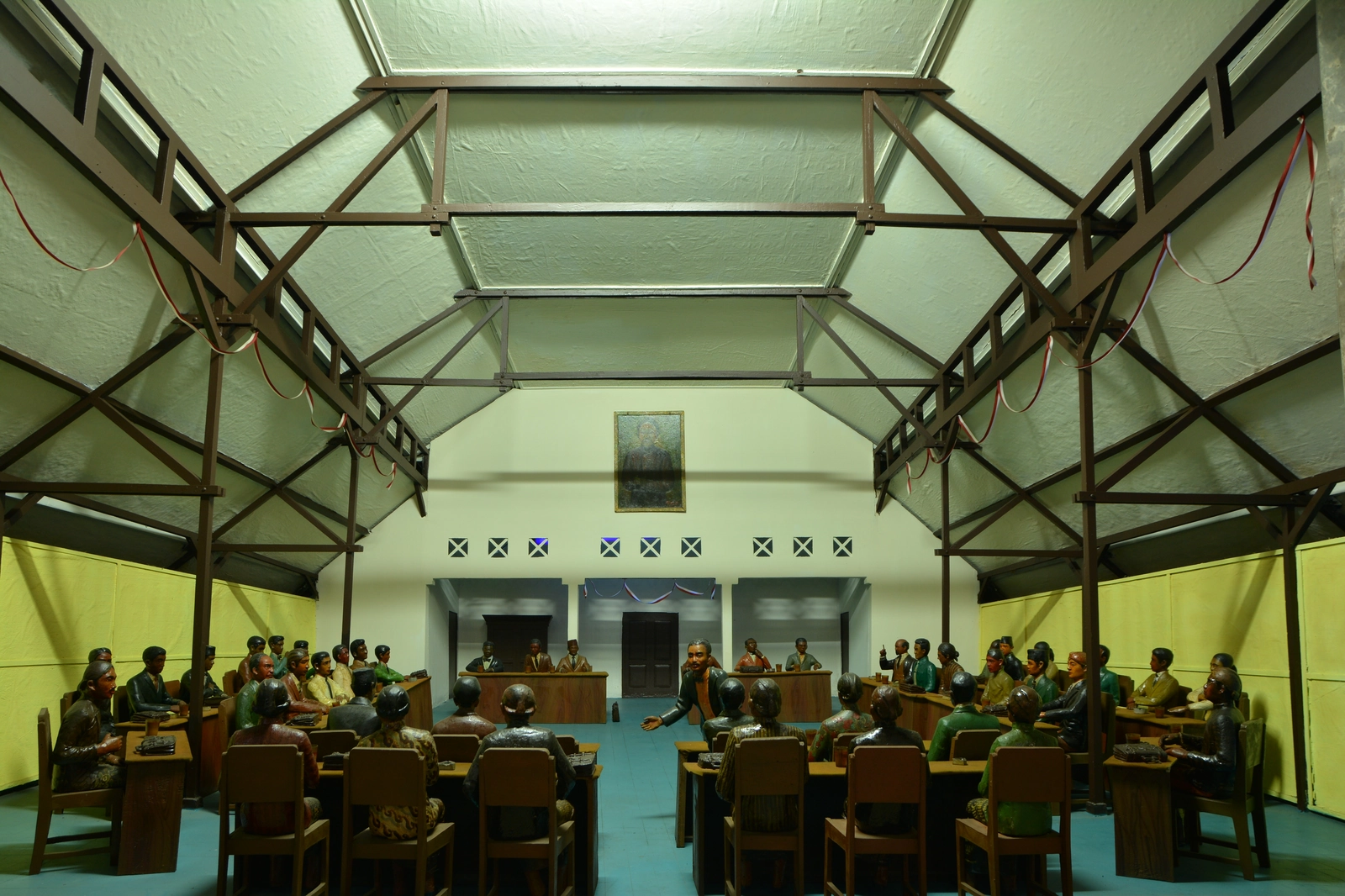
Dutch colonial policy did not want the Indonesian people to become educated because it would endanger the Dutch position. Eventually, modern education had to be provided to meet the need for educated workers and to improve Indonesian society as a market for Dutch industry. The awakening of educated Indonesians gave rise to national consciousness for independence. Dr. Wahidin's ideal of gathering national movement figures was realized by Dr. Soetomo and his friends by forming Boedi Oetomo.
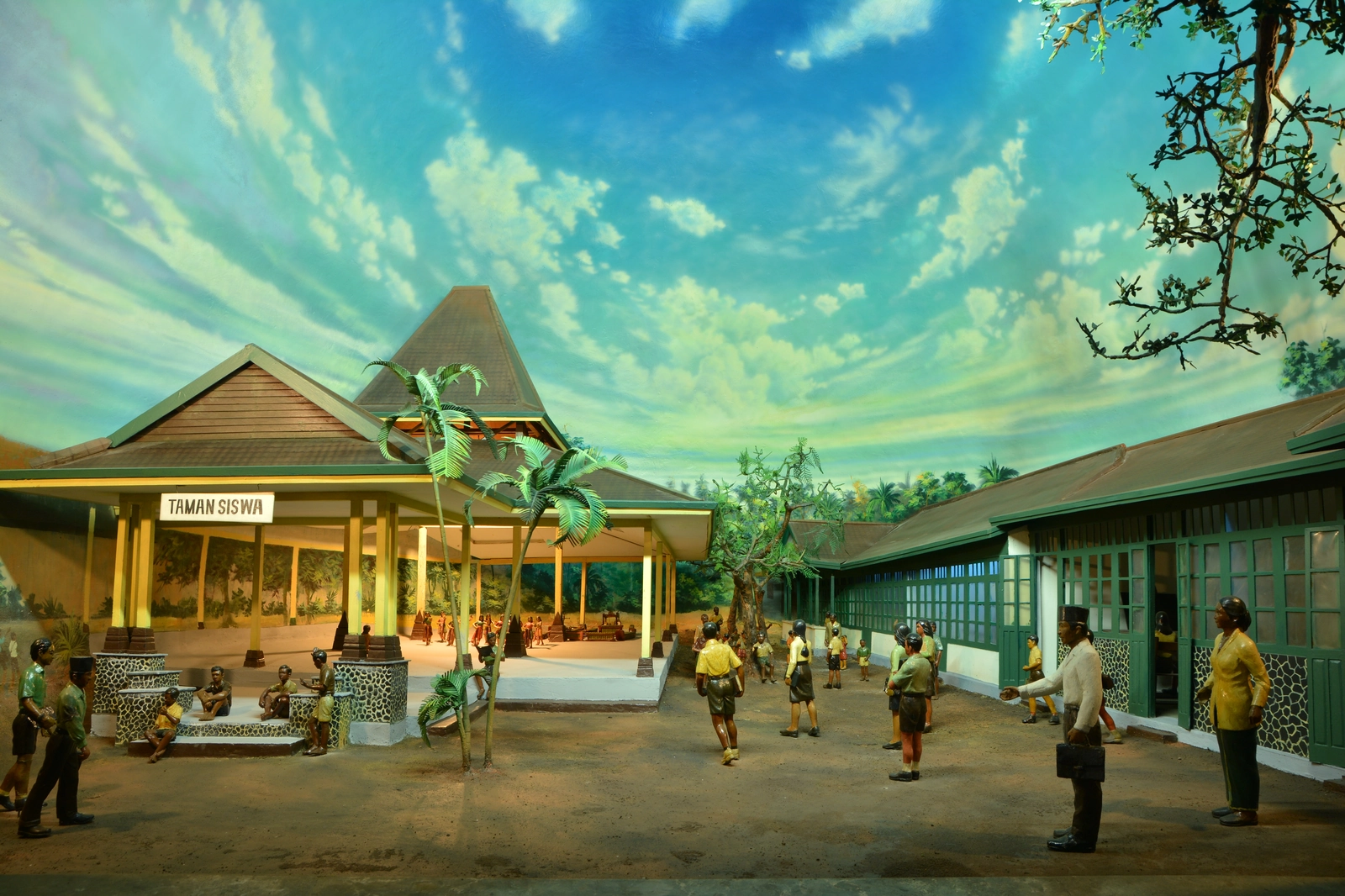
Education policy during the colonial era could not be separated from colonial interests. As a reaction, Ki Hajar Dewantara founded the Taman Siswa school in Yogyakarta, which then grew rapidly, worrying the Dutch. The spirit of nationalism deeply animated the life of Taman Siswa. In 1935, the first National Education Congress was held with the aim of building unity and finding a formulation for national education.
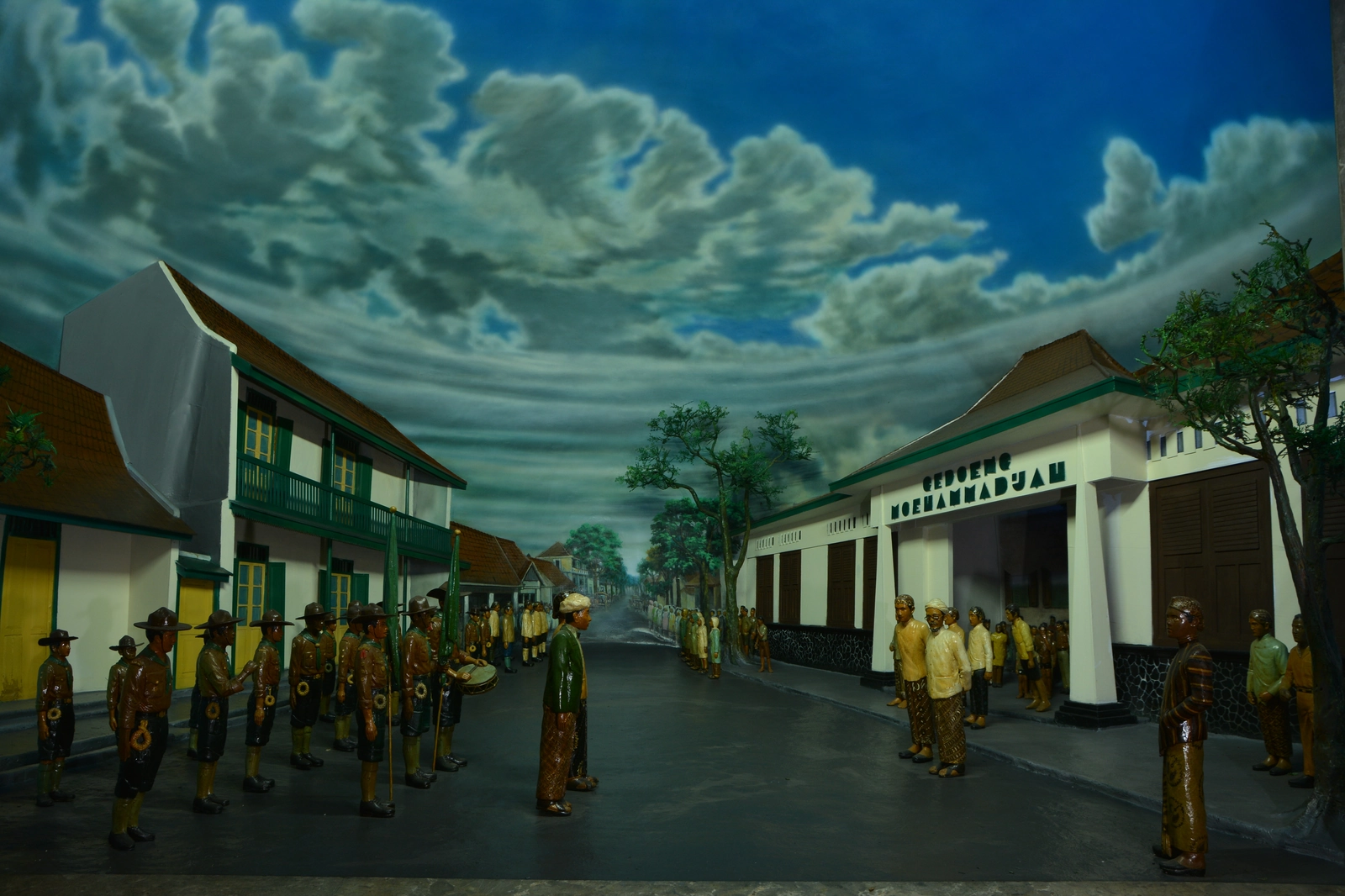
The condition of Islamic society in the 19th century and the beginning of the 20th century was very disheartening. The Islamic religion had been mixed with various teachings that did not originate from the Quran and Hadith. Starting from this situation, Kyai Haji Ahmad Dahlan founded Muhammadiyah with the main goal of reforming Islamic religious life. Its activities covered religious, educational, and social fields.
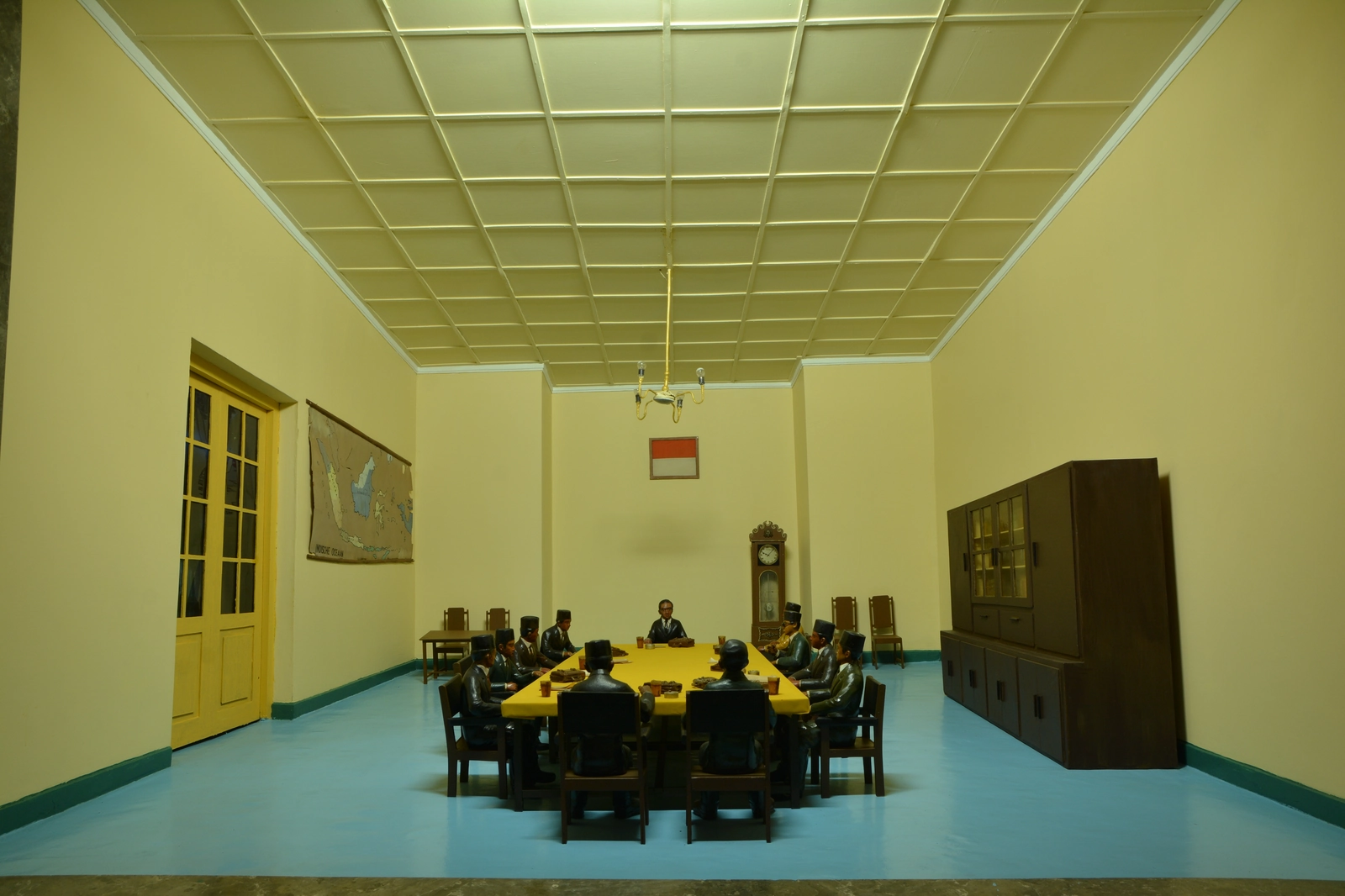
The struggle to achieve an independent Indonesia abroad was pioneered by Indonesian students studying in the Netherlands. In February 1927, Perhimpunan Indonesia fought in the international forum by taking part in the Congress of the League Against Imperialism in Brussels. Furthermore, Perhimpunan Indonesia's propaganda became bolder and sharper, so the Dutch government arrested four of its leaders: Moh. Hatta, Abdul Madjid, Ali Sastroamidjojo, and Nasir Datuk Pamuntjak. However, the court declared them not guilty.
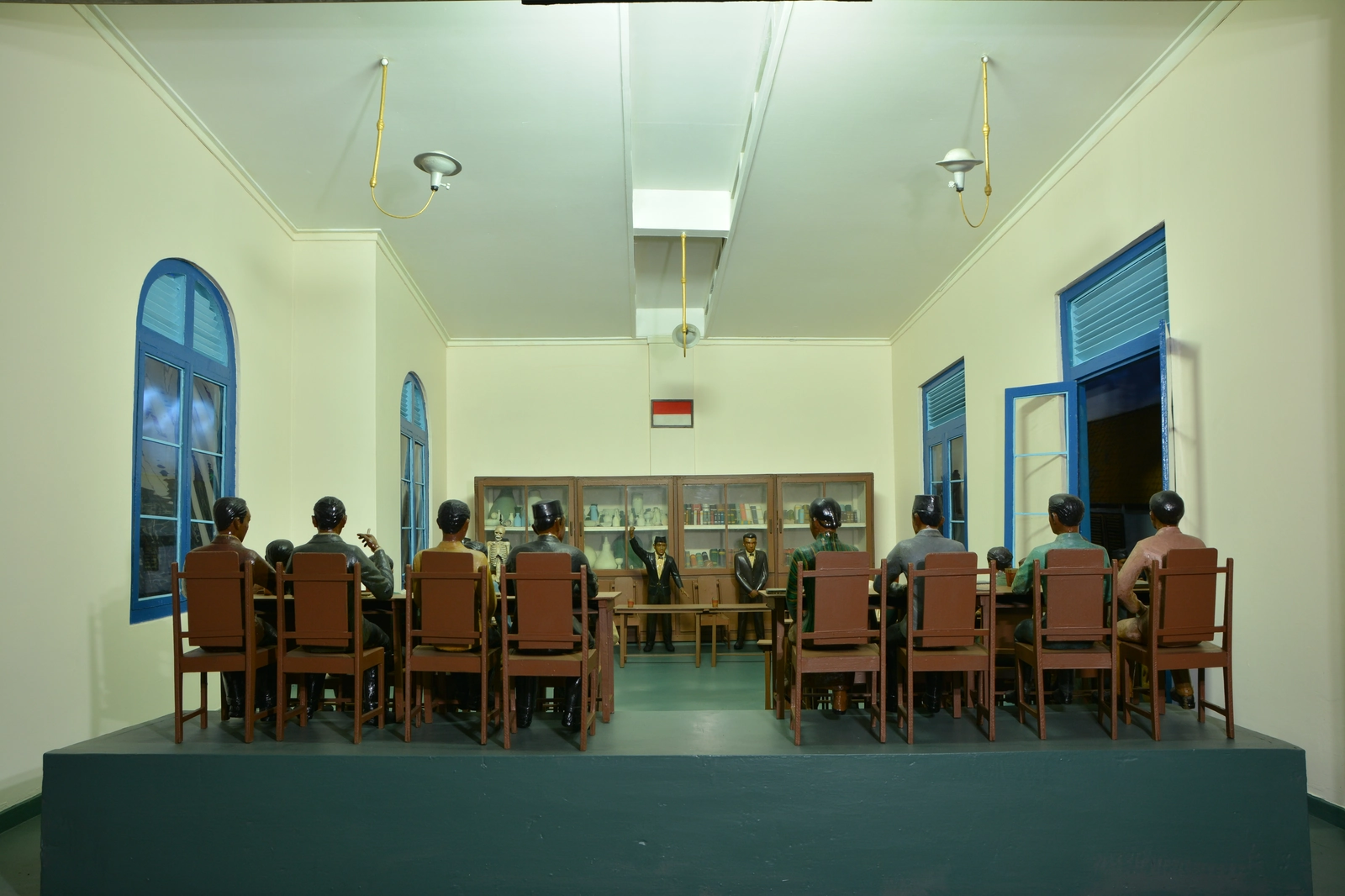
The ideas echoed from the STOVIA Building, the birthplace of Boedi Oetomo aiming to elevate the nation's dignity, gained support in various cities. Consolidation was soon held by organizing a Congress on October 4 and 5, 1908, in Yogyakarta. In its further development, Boedi Oetomo grew into a general and large national association, so what the STOVIA students had done in their meeting on May 9, 1908, is considered the birth of the Indonesian national movement.

The movement to free the nation from colonialism spread throughout Indonesia. In 1926 and 1927, rebellions against the Dutch erupted in West Java, Central Java, and West Sumatra, but they were ruthlessly crushed. 13,000 people were arrested, 1,300 of whom were exiled to Tanah Merah, Boven Digoel. In subsequent developments, Digul became a place of exile for national movement figures, including Moh. Hatta and Sutan Sjahrir.
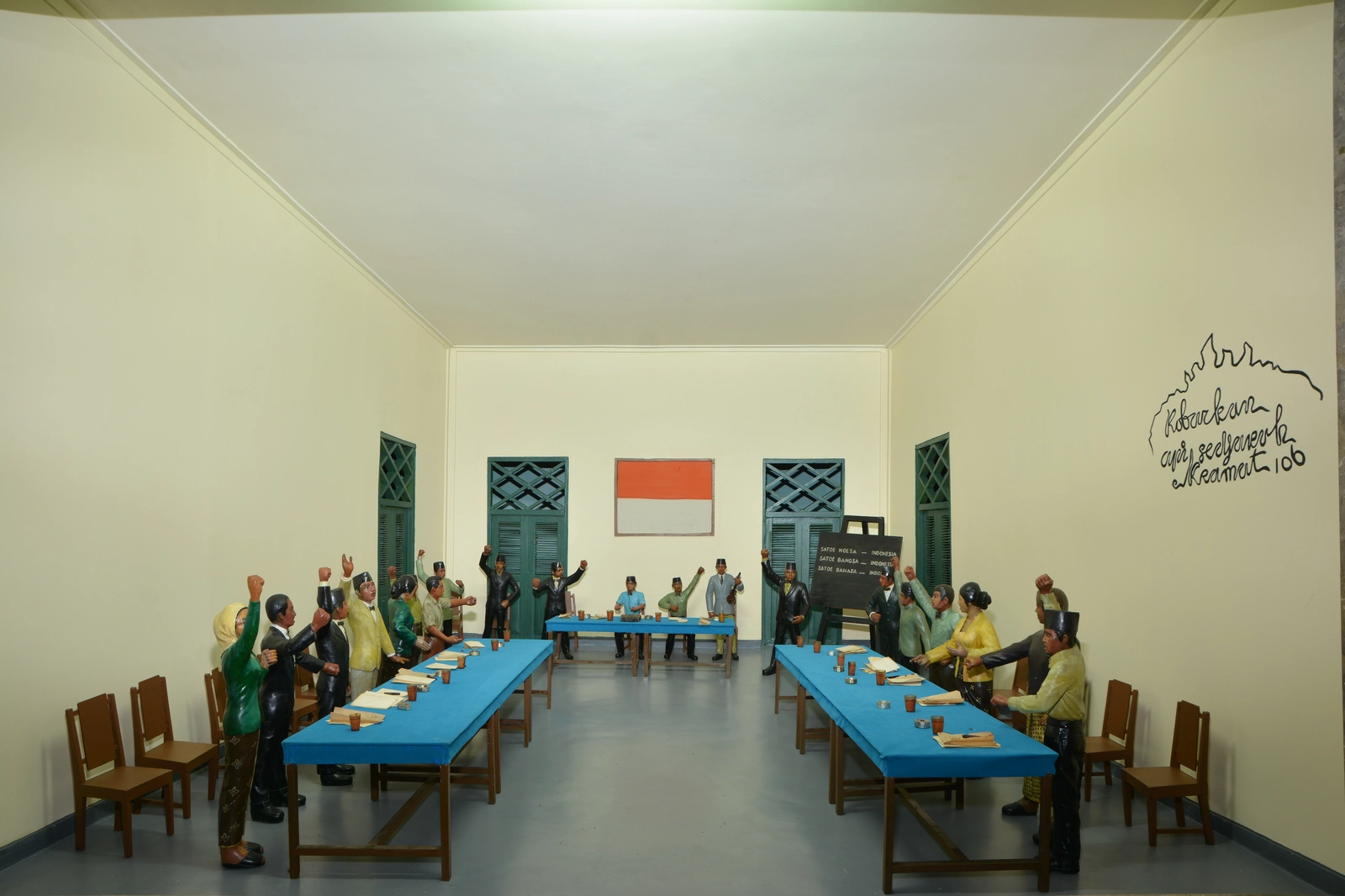
Within the environment of the Indonesian national movement, the youth had given birth to various kinds of youth organizations, which were generally still regional in nature and had no connections with one another. The climate of Indonesian unity influenced and encouraged the development of a youth movement with a national spirit of unity. Efforts toward this were made in a series of youth congresses. At the Second Youth Congress, the Youth Pledge was declared, and the song Indonesia Raya was echoed for the first time.
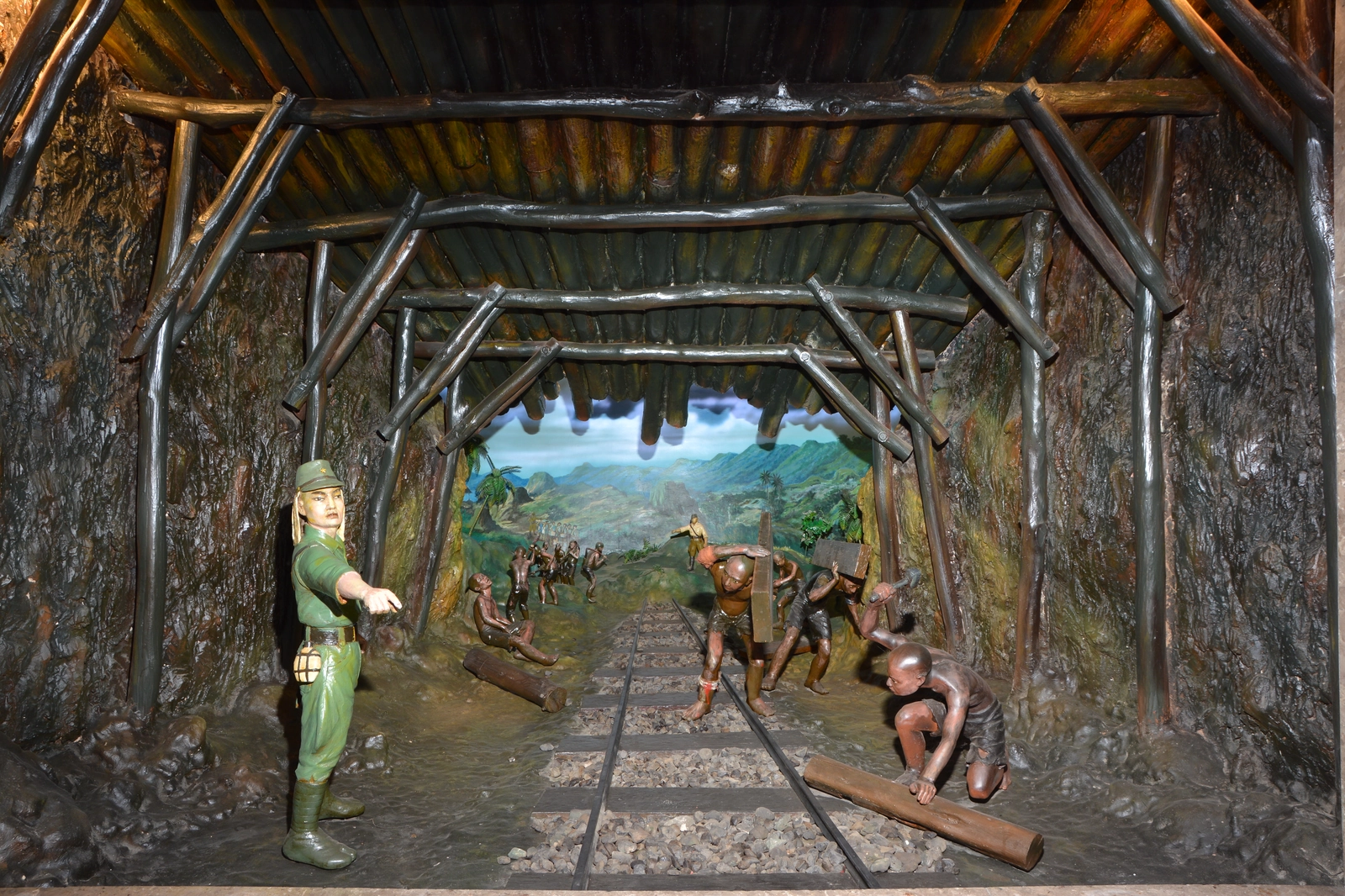
On March 8, 1942, the Dutch surrendered to the Japanese in Kalijati, Subang. To win the war, Japan then forcibly mobilized all the manpower and natural wealth of Indonesia. The people were mobilized to perform forced labor on vital objects and military facilities. They suffered torture and did not get enough food, resulting in tens of thousands of romusha or forced laborers dying at their workplaces.

In October 1943, the Japanese Occupation Government formed the Defenders of the Homeland or PETA army to defend the island of Java, which was welcomed by the youth. Their feeling of hatred towards the Japanese deepened as they were assigned to build defense fortresses alongside the romusha. Witnessing the people's suffering and their aspirations for independence, Supriyadi led a PETA battalion in Blitar to stage a rebellion by attacking the Japanese military headquarters.
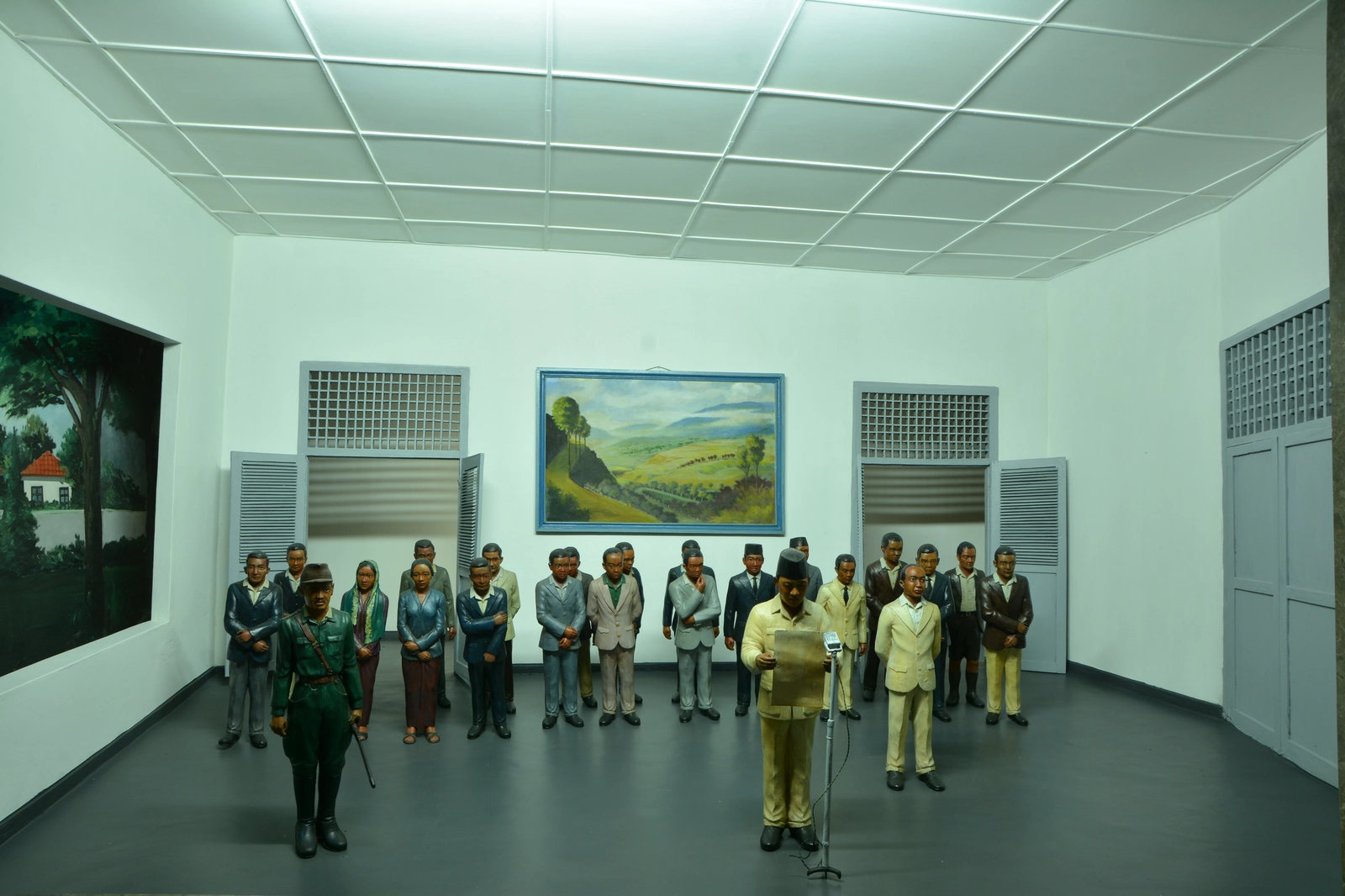
Knowing that Japan had lost the war, the Indonesian people, both the youth and the leaders of the national movement, raced against time to realize the ideals of their struggle: to announce the Proclamation of Indonesian Independence as soon as possible. In a secret meeting on the night of August 16, 1945, at Jalan Imam Bonjol number 1, Jakarta, the text of the proclamation was drafted and signed by Sukarno and Moh. Hatta. On August 17, 1945, at 10:00 AM, Sukarno, accompanied by Moh. Hatta, read the Proclamation of Indonesian Independence.
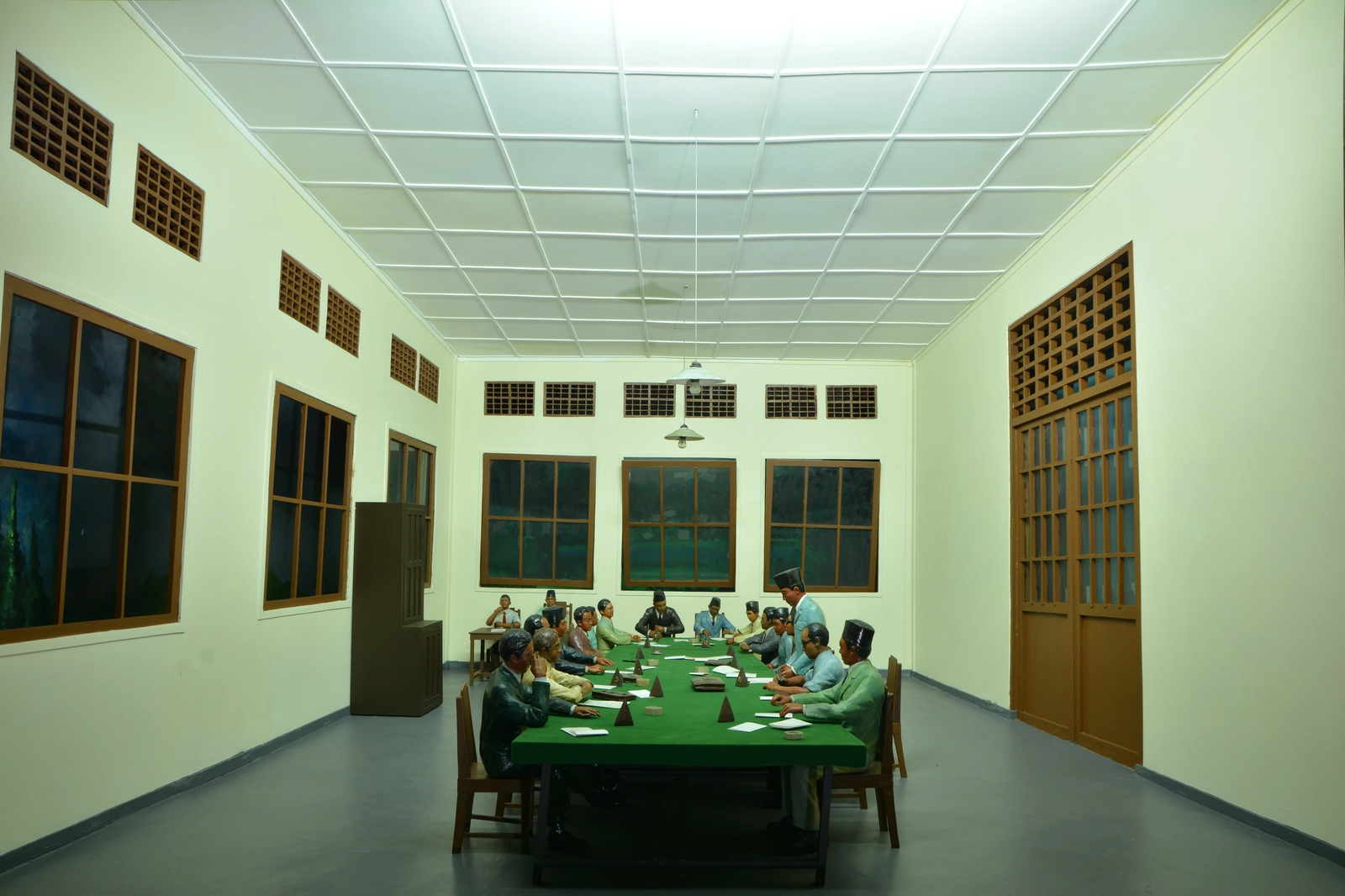
After Indonesia's independence was proclaimed, the nation's leaders immediately structured the state's governance. On August 18, 1945, the Preparatory Committee for Indonesian Independence held a meeting in Pejambon, Jakarta. The meeting produced crucial decisions regarding the constitutional system of the Republic of Indonesia, ratifying Pancasila as the State Philosophical Foundation and the 1945 Constitution. The meeting also elected Sukarno and Moh. Hatta as President and Vice President of the Republic of Indonesia.
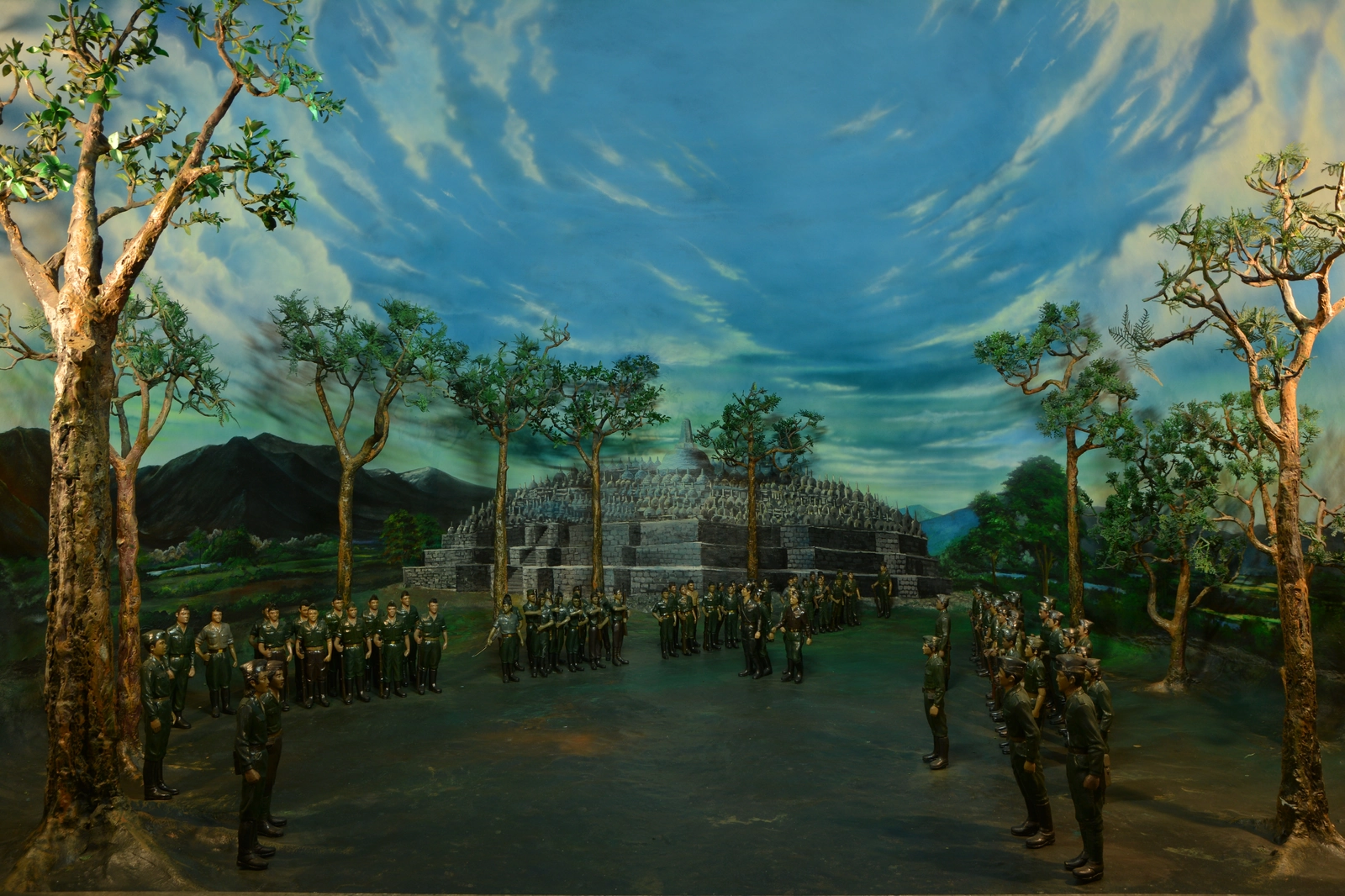
On August 22, 1945, the Preparatory Committee for Indonesian Independence decreed the formation of the People's Security Agency to maintain security and public order in their respective regions. In the struggle for power against Japan, the resistance against the Allies, and to strengthen the general sense of security, it was realized that a formidable Armed Force was needed. Thus, on October 5, 1945, the government decreed the formation of the People's Security Army.

Allied forces, including NICA troops and officers, landed in Surabaya in October 1945, causing several incidents that escalated into battles. After Brigadier General Mallaby was killed, an ultimatum was issued to the people of Surabaya to surrender their weapons. The people ignored it, and on November 10, 1945, a fierce battle broke out when the Allies mobilized land, sea, and air forces to destroy the Surabaya fighters, who fought with an unyielding spirit. This event was immortalized by the Indonesian people as Heroes' Day.
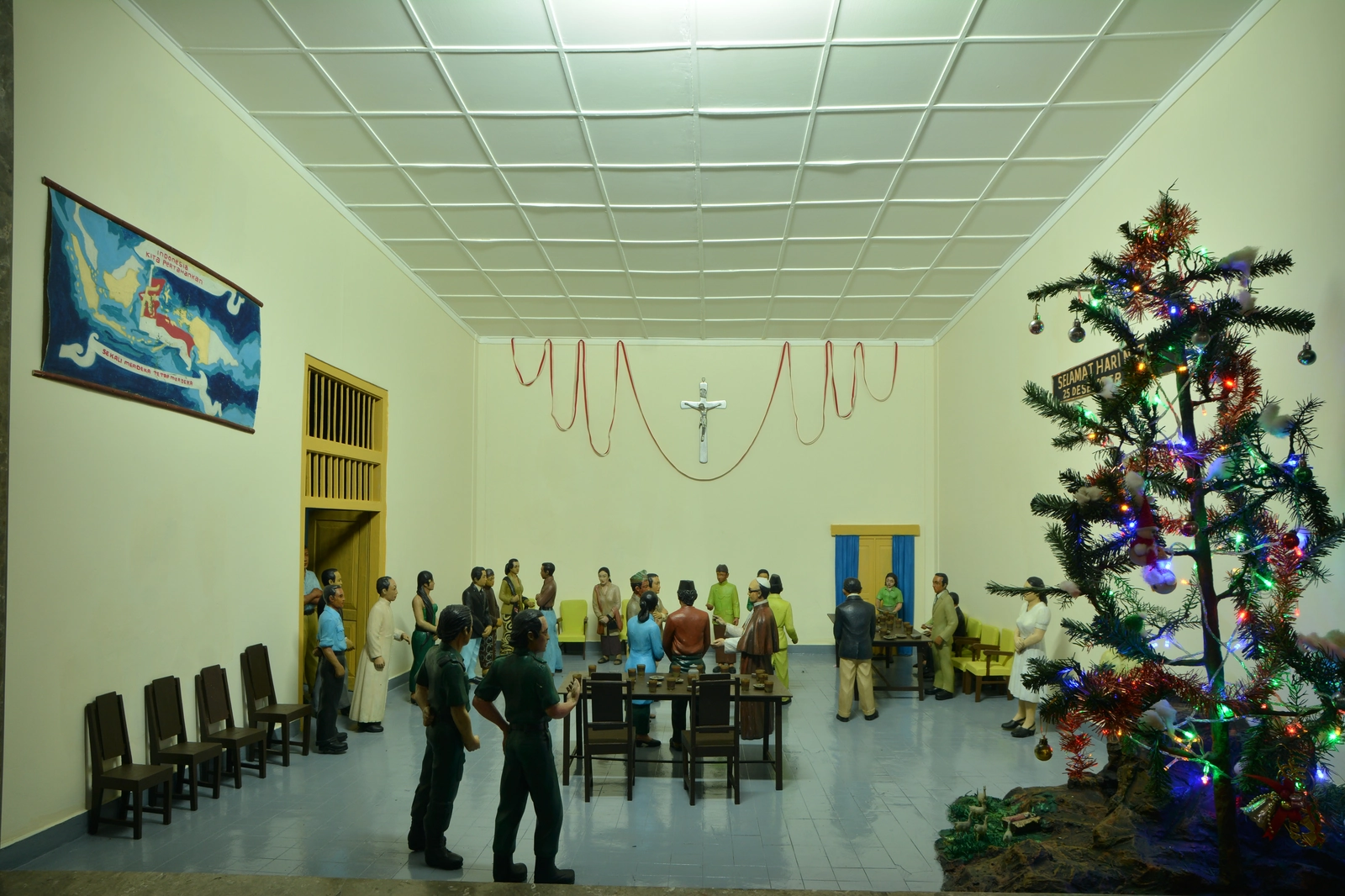
The Roman Catholic Church, through its missions, gathered youths from various tribes and regions, forming a Roman Catholic community where the spirit of nationalism blossomed. Its activities in the educational and social fields directly helped the Indonesian nation, which was undergoing a process of unification. Regarding the ideals of an Independent Indonesia, the Indonesian Catholic Political Association co-signed the Soetardjo Petition in 1936, which demanded that the colonial government grant independence to the Indonesian nation.
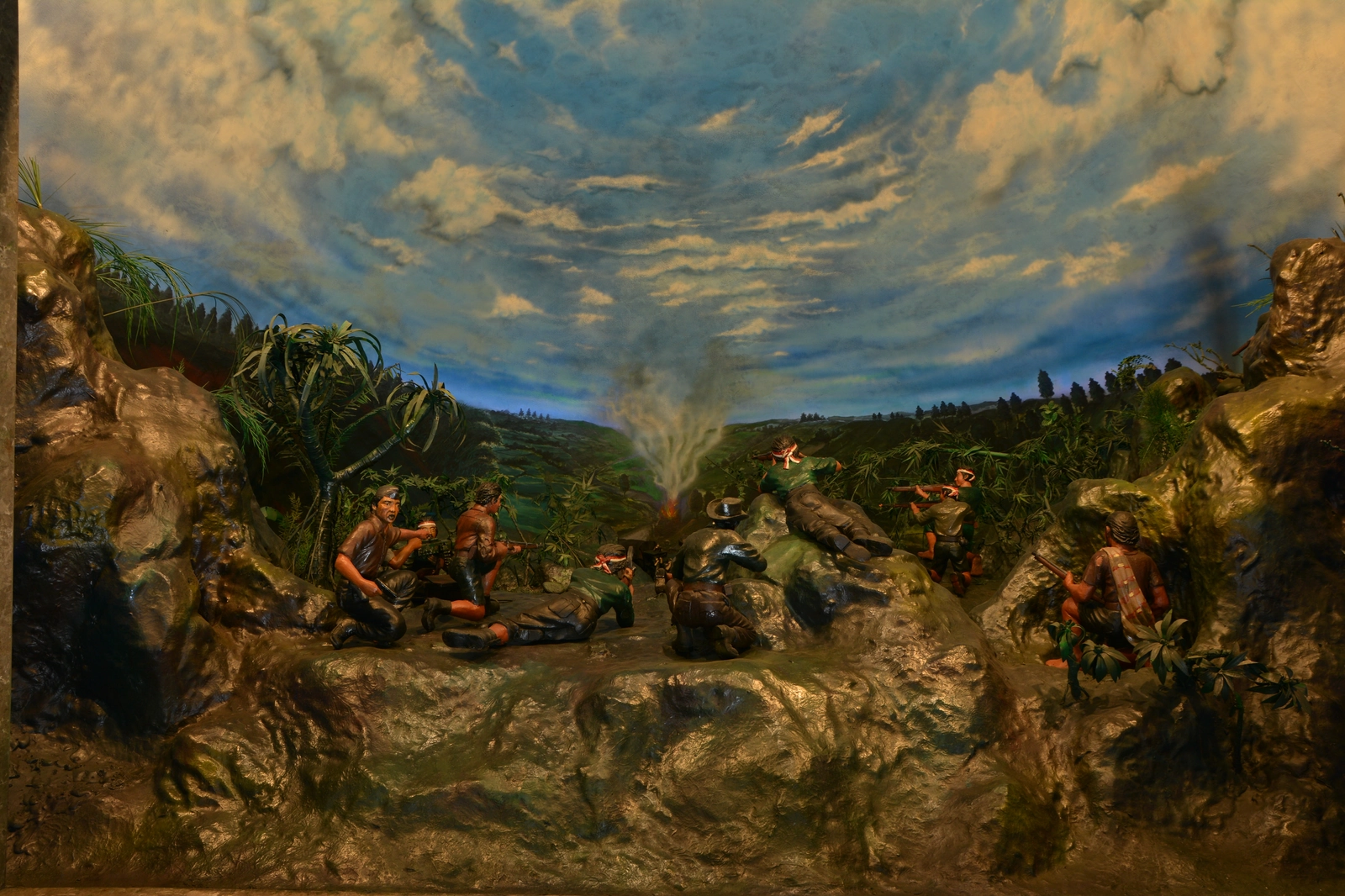
The Armed Forces of the Republic of Indonesia, using simple war equipment, waged guerrilla warfare alongside the people to face the enemy who sought to re-establish Dutch rule. To uphold the authority of the Republic of Indonesia in enemy-controlled areas, guerrilla pockets were organized, capable of carrying out independent defense through the integration of all political, economic, socio-cultural, and military strengths.
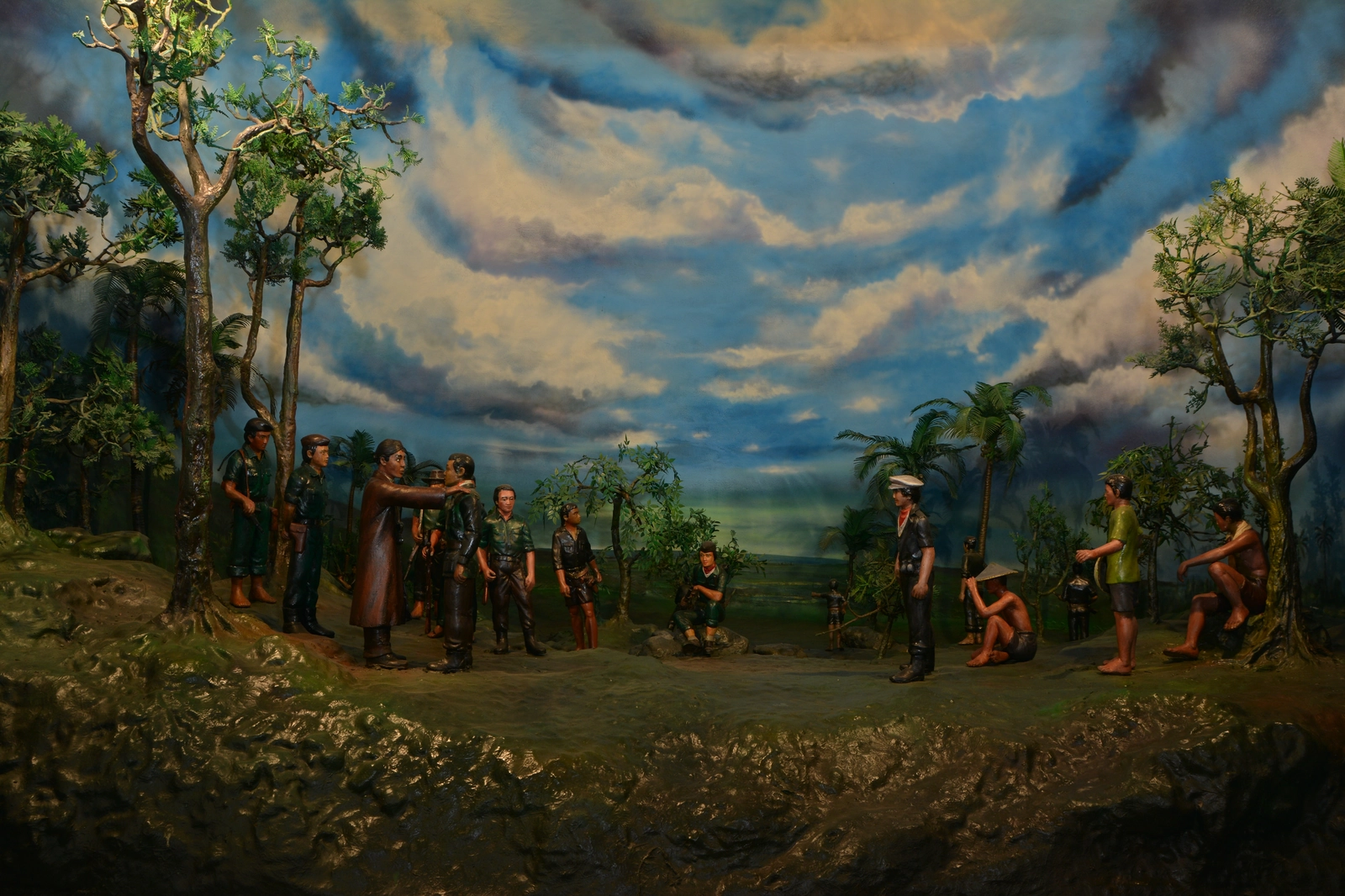
Yogyakarta, the capital of the Republic of Indonesia, was captured by the Dutch during the second military aggression on December 19, 1948, and government leaders were arrested. They were relocated to Bukittinggi, forming the Emergency Government of the Republic of Indonesia. General Sudirman, who was severely ill at the time, led a guerrilla war to continue the struggle to defend independence. General Sudirman only returned to Yogyakarta in July 1949 after the Republic of Indonesia's government was restored to Yogyakarta in accordance with the agreement between Indonesia and the Netherlands.
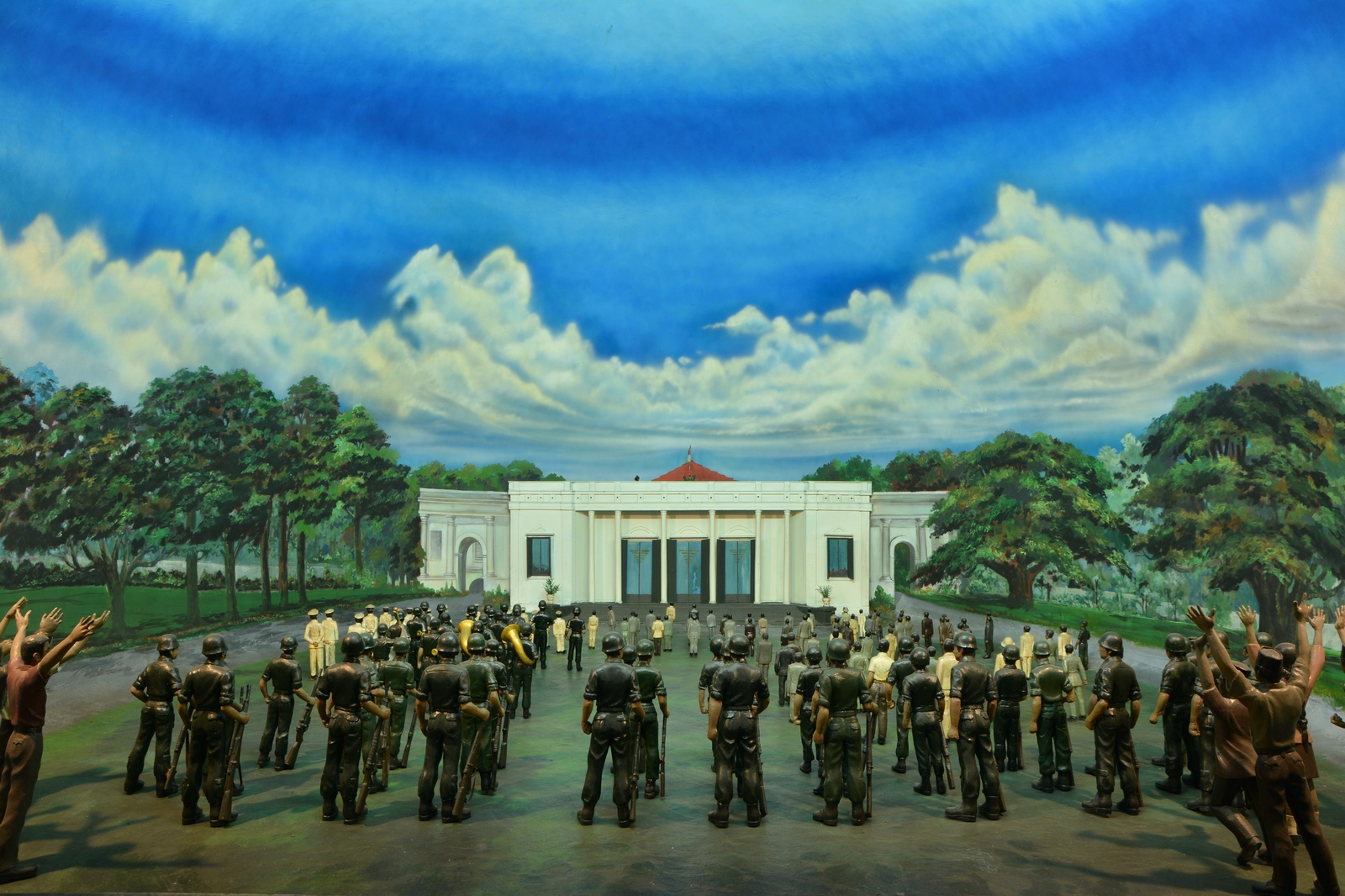
The persistent struggle of the Indonesian people against the Dutch military aggression and the pressure from the UN Security Council forced the Dutch back to the negotiating table. In Jakarta on July 7, 1949, an agreement was reached to prepare for a Round Table Conference to discuss the recognition of Indonesian sovereignty. At the Round Table Conference in The Hague, the Dutch Government recognized sovereignty over Indonesia to the United States of Indonesia. The sovereignty recognition ceremony in Jakarta was led by Sri Sultan Hamengkubuwono IX, marked by the raising of the Red and White flag.
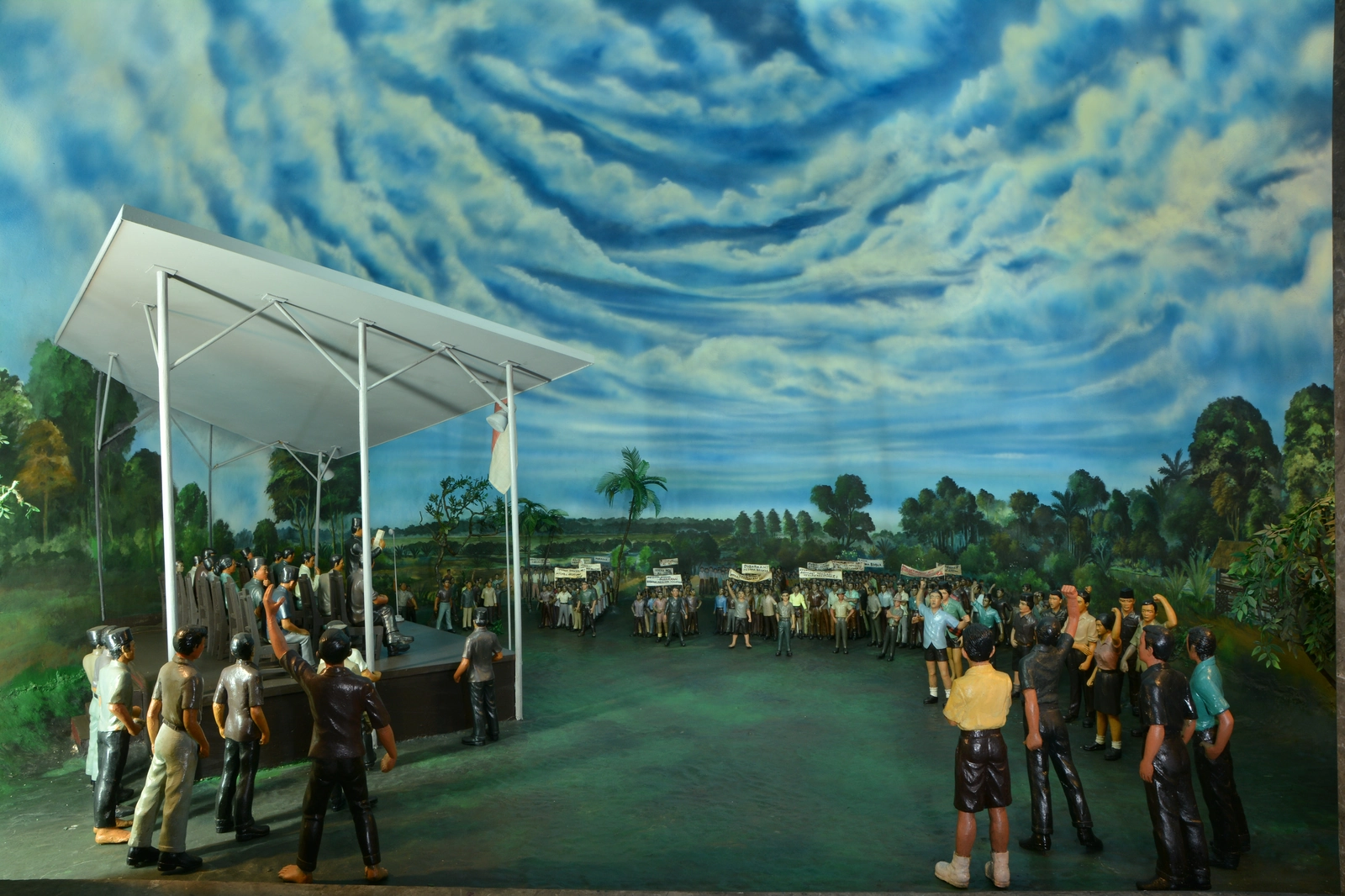
People in every region demanded the dissolution of the Federal State. Due to spontaneous popular demands, several Member States declared they were merging with the Republic of Indonesia, which was a constituent state of the federation. In negotiations between the federation and the Republic of Indonesia constituent state, an agreement was reached on the abolition of the federal form and the re-establishment of the Unitary State of the Republic of Indonesia, which was then announced by Mr. Supomo on August 17, 1950.
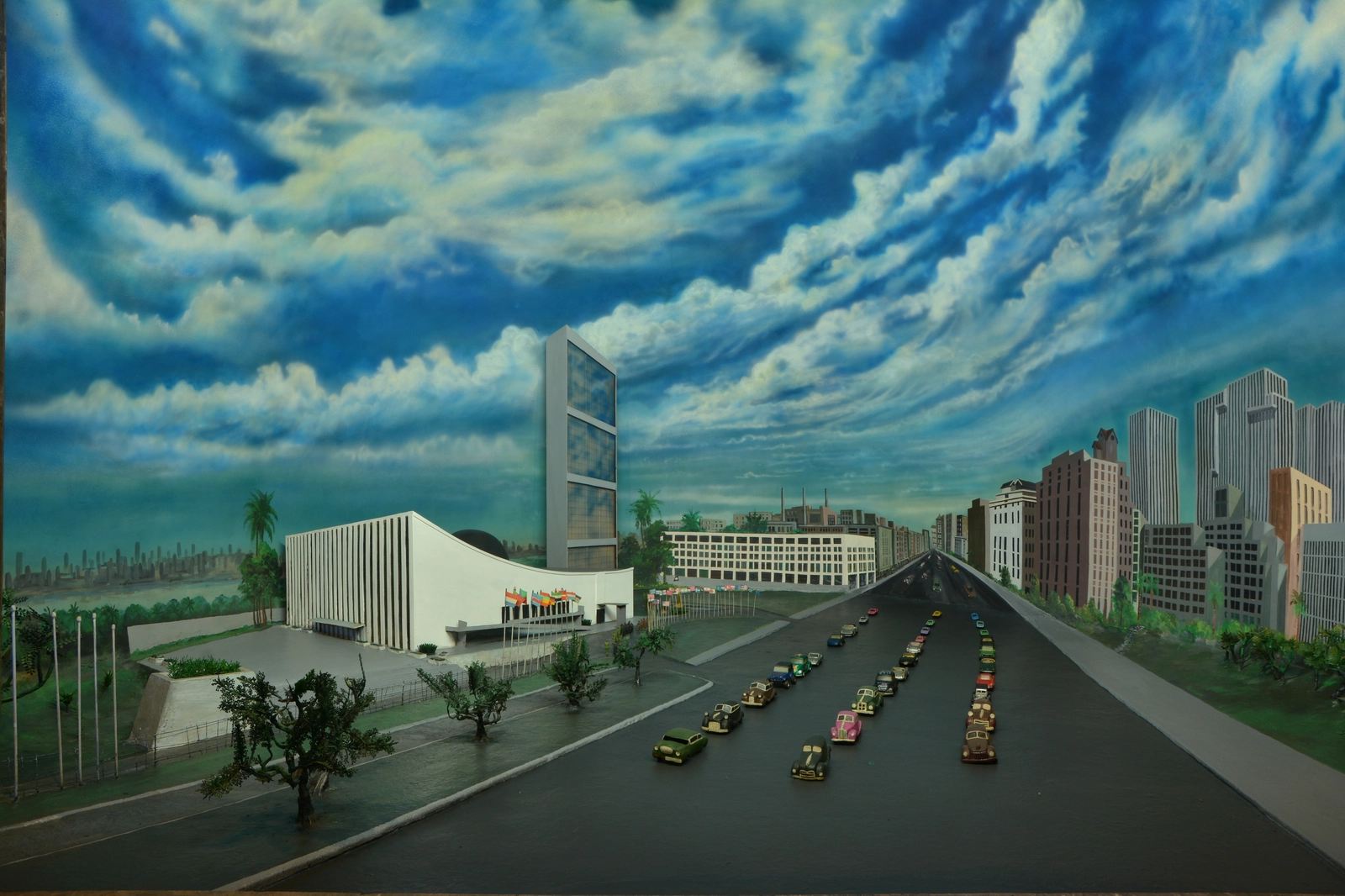
In communal life and the global community, cooperation among nations within a single forum is highly useful for maintaining world peace. The UN and its subordinate organizations are beneficial for resolving disputes between newly independent nations and accelerating the decolonization process. Realizing this, and considering the assistance in resolving the Indonesian-Dutch dispute, Indonesia was encouraged to become a member of the UN.
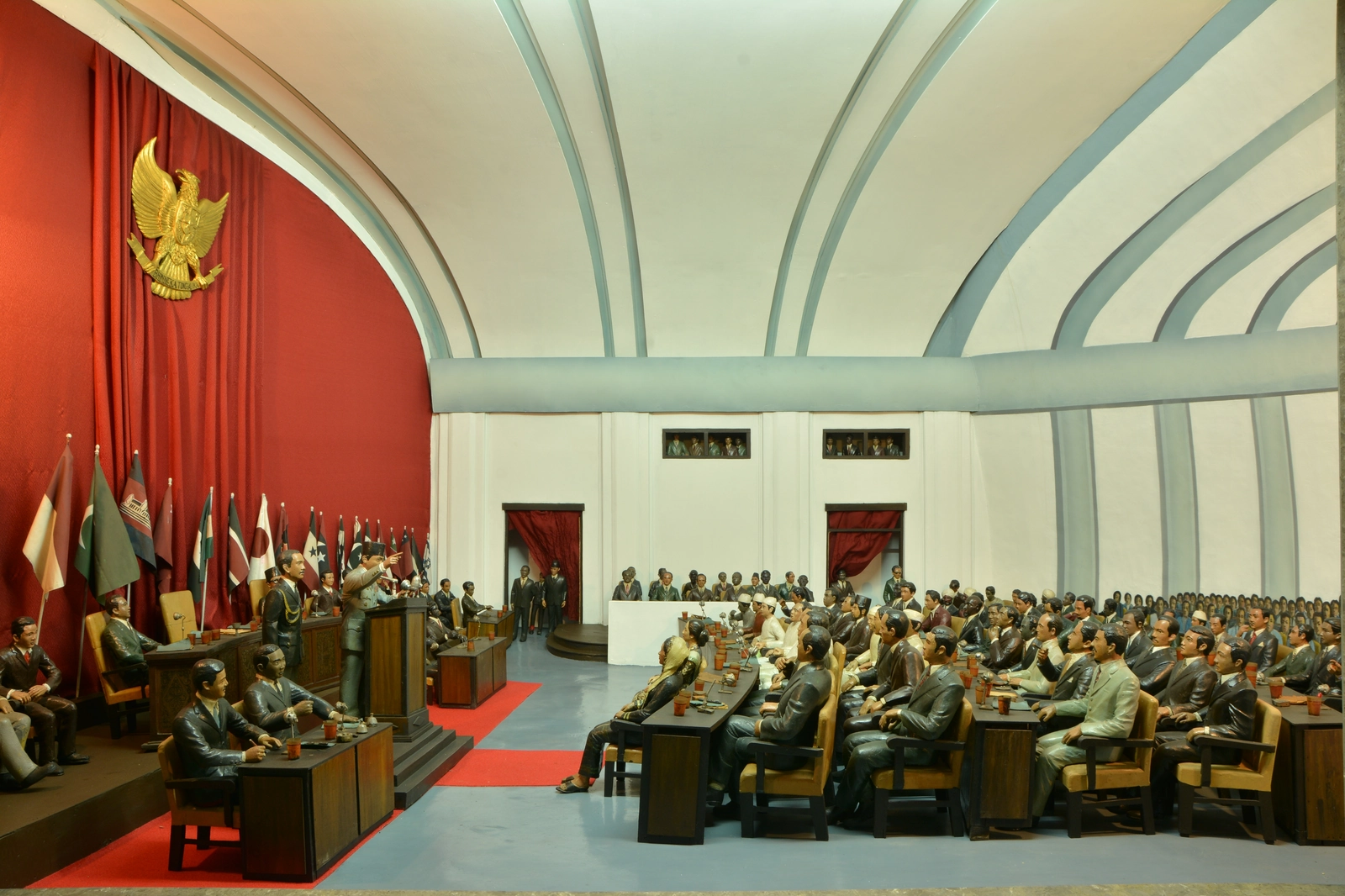
The Cold War between the Western and Eastern blocs, which arose after the end of World War II, could at any time erupt into a nuclear war. Aware of this danger, 30 Asian-African countries held a conference that produced the Ten Principles of Bandung resolution. Asia-Africa became a power that could act as a mediator between the Western and Eastern Blocs.
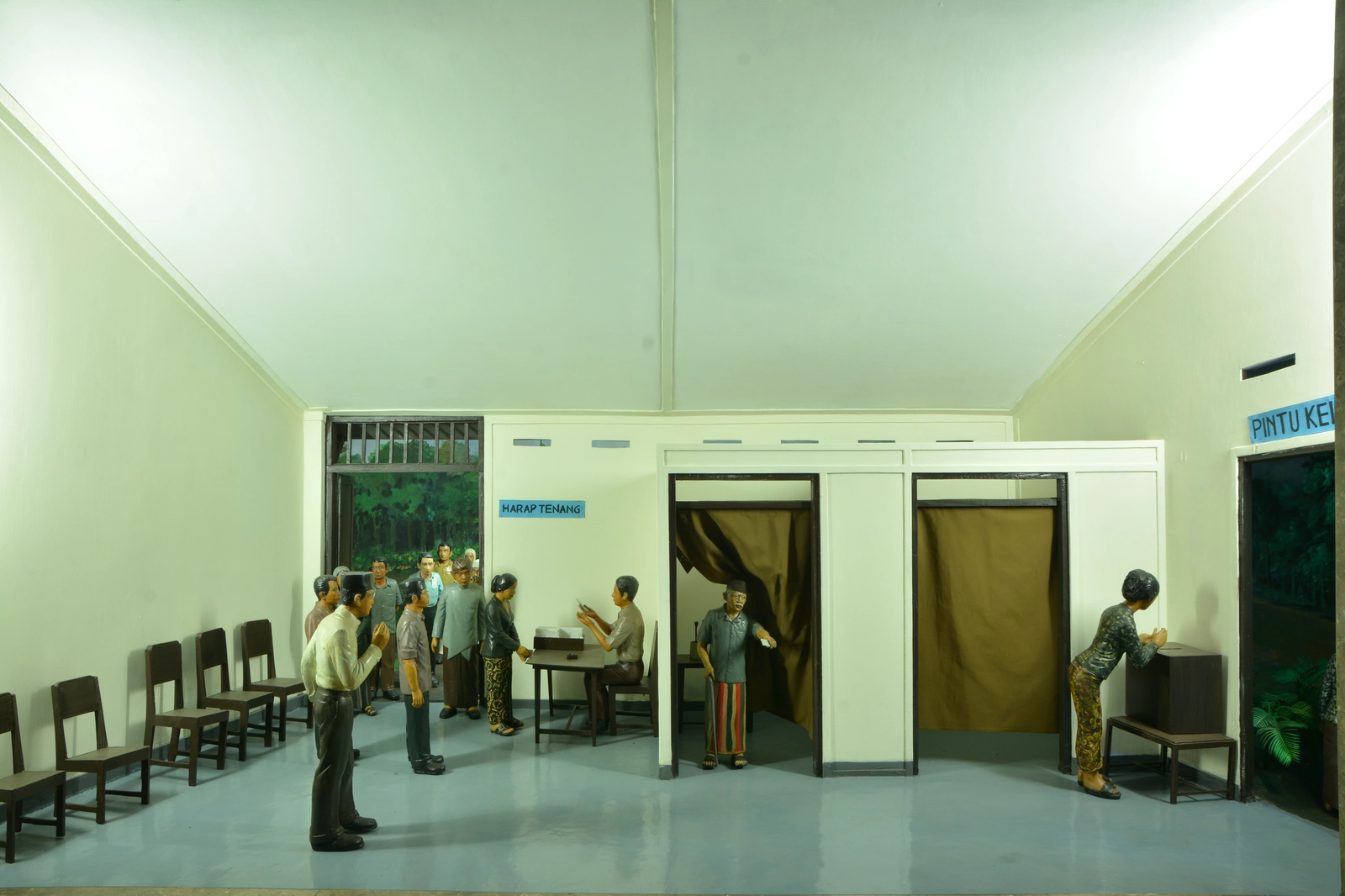
The government realized that general elections had to be held as a means of democracy. In its early years, the Republic of Indonesia had to face external enemies, making elections difficult to hold. The general election was finally held throughout Indonesia, participated in by 48 political parties to elect representatives to the House of Representatives on September 29, 1955, and to elect representatives to the Constituent Assembly on December 15, 1955.
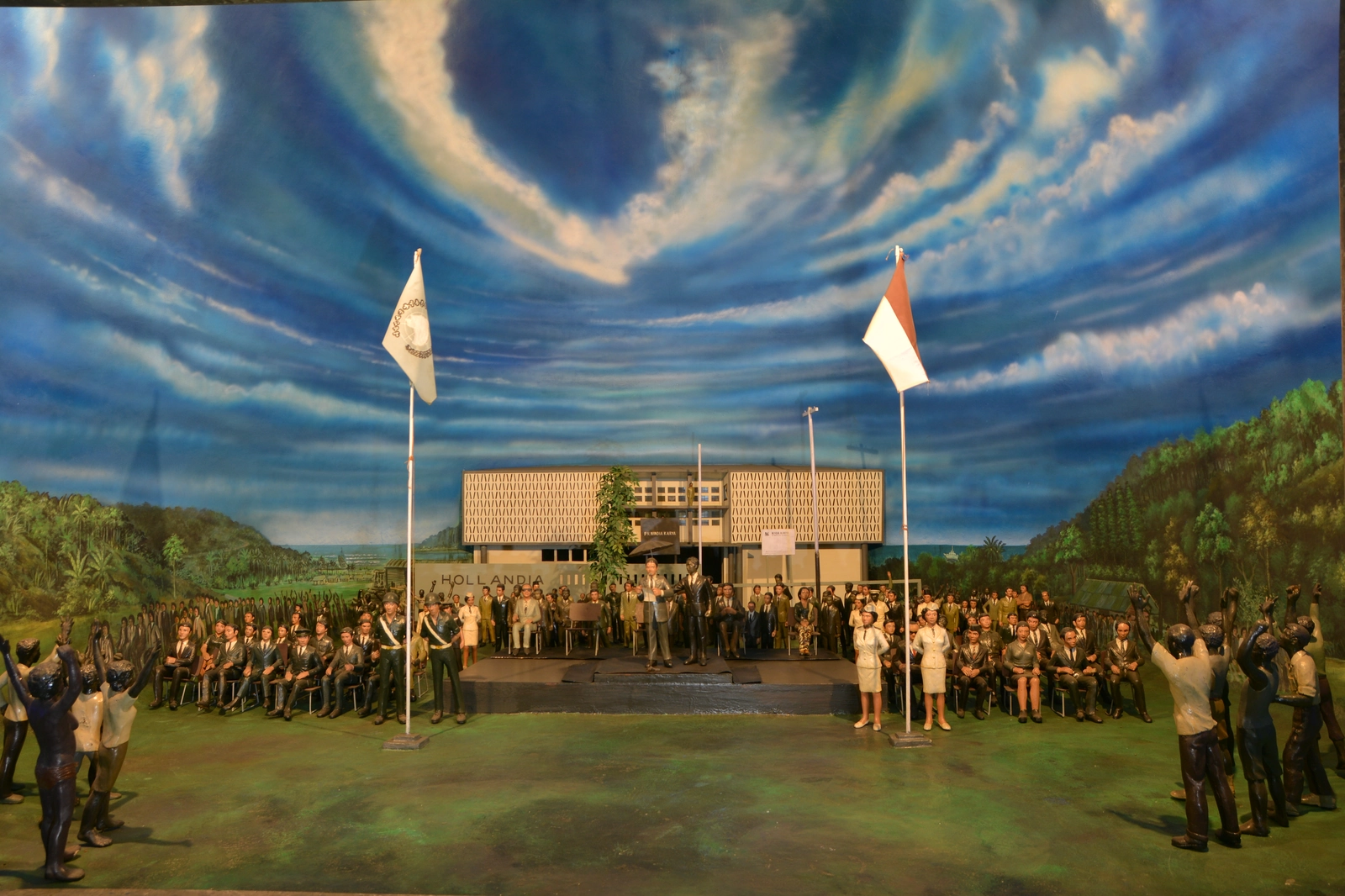
Efforts to return Irian Jaya to the fold of the Republic of Indonesia through negotiations had always failed. When the Dutch intended to form a puppet government in Irian Jaya, President Sukarno announced the People's Triple Command on December 19, 1961, in Yogyakarta. After the Mandala Command launched military operations, the Dutch were forced to hand over Irian Jaya through the UN. On May 1, 1963, a handover ceremony for Irian Jaya to Indonesia took place, represented by Sudjarwo Tjondronegoro in Jayapura.
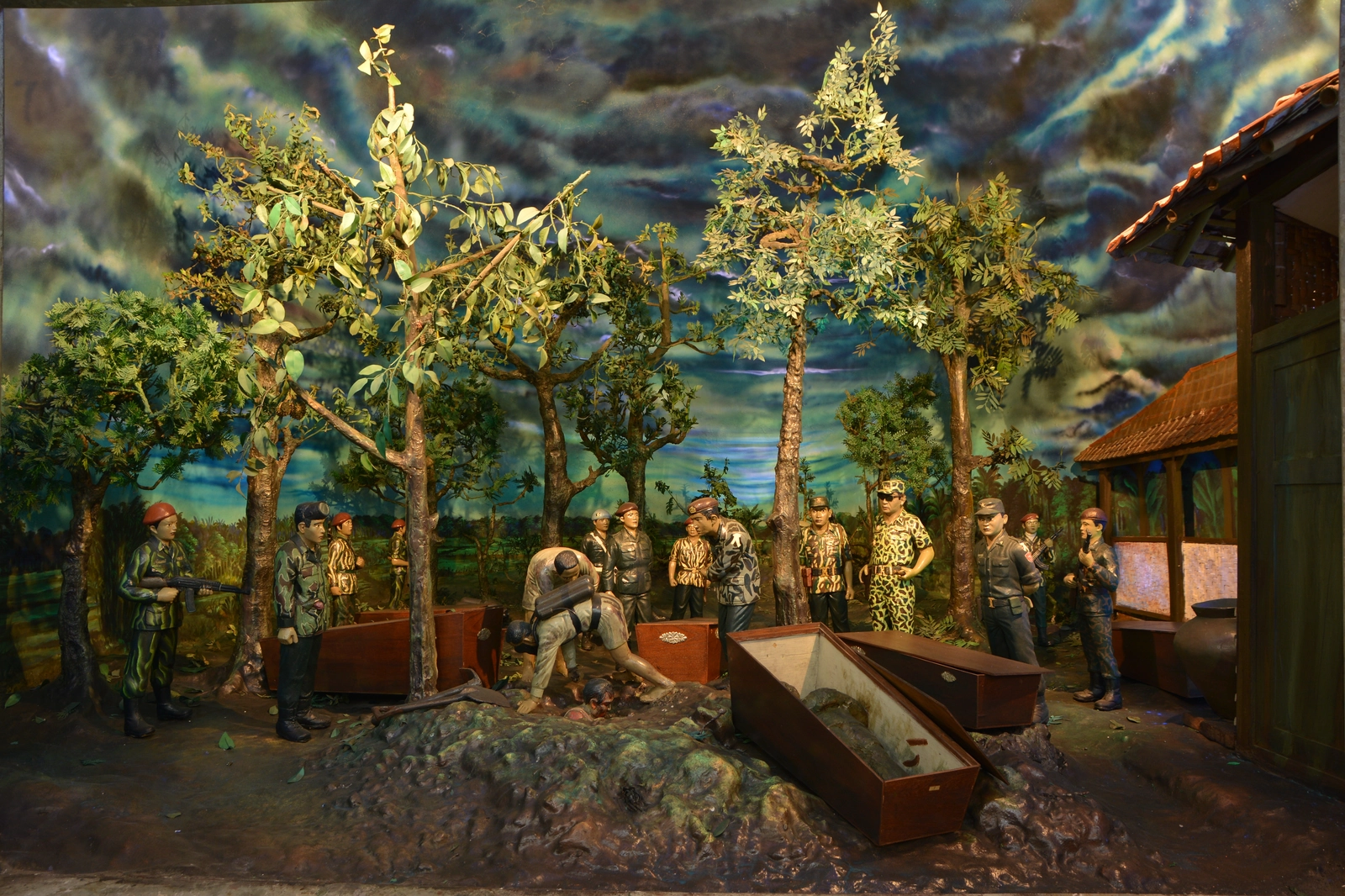
Pancasila is the personality and life outlook of the Nation that has repeatedly undergone trials, having its truth, efficacy, and sanctity tested. On October 1, 1965, the G30S/PKI launched a rebellion and betrayal by murdering the leadership of the Indonesian Army and then seizing state power. The success of ABRI and the Pancasila-minded people under the leadership of Major General Suharto in thwarting and crushing the G30S/PKI coup was a victory for Pancasila. On October 4, 1965, Major General Suharto led the recovery of the heroes' bodies from the well in Lubang Buaya.
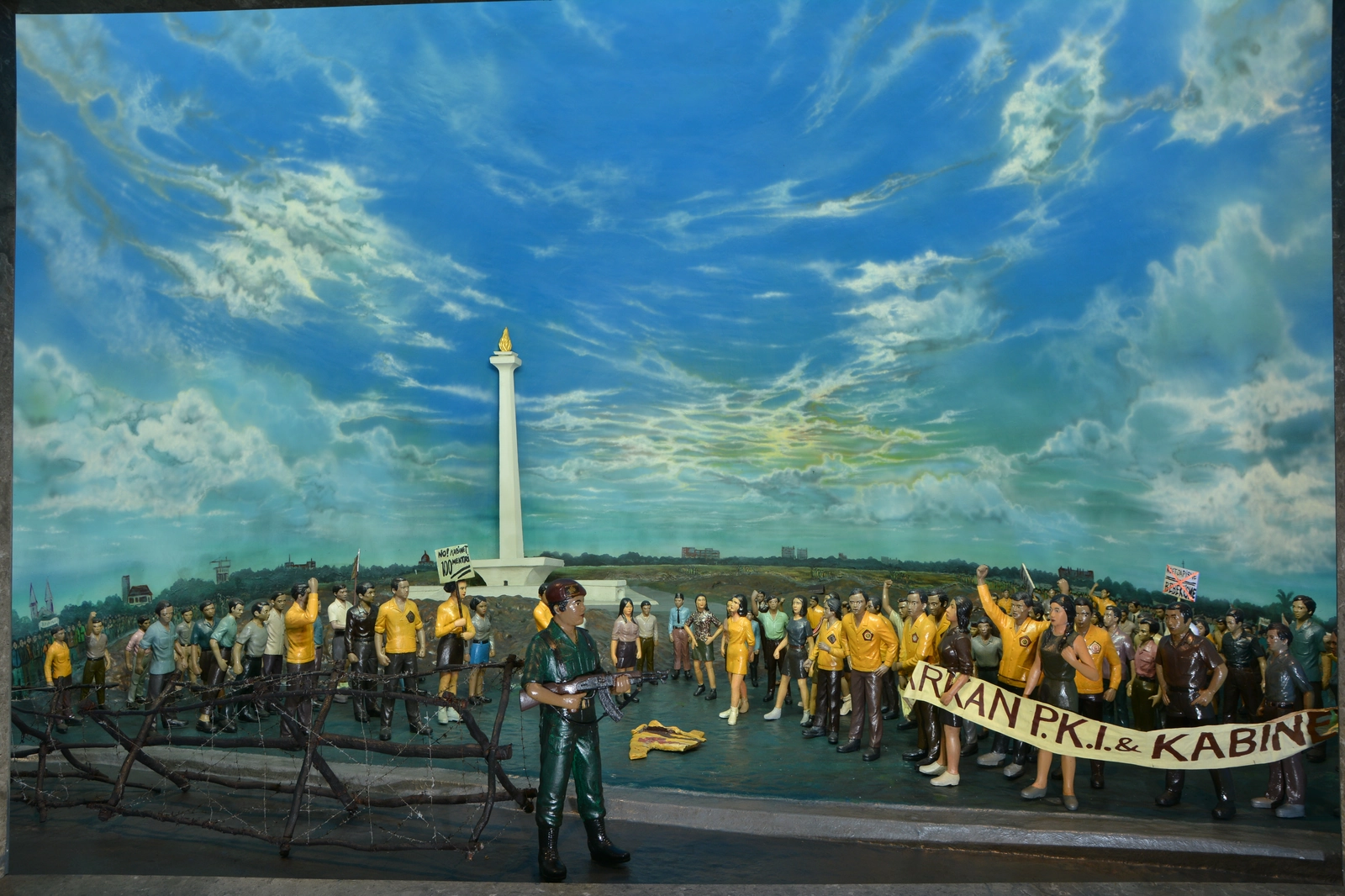
Since the bloody G30S/PKI coup was successfully thwarted and crushed in a short time, the Old Order Government became unstable because it faced increasingly severe political and economic crises. Students belonging to the Indonesian Student Action Front, supported by all Pancasila forces within ABRI, political parties, and mass organizations, held demonstrations from January 11, 1966, to March 11, 1966, presenting the People's Triple Demands.
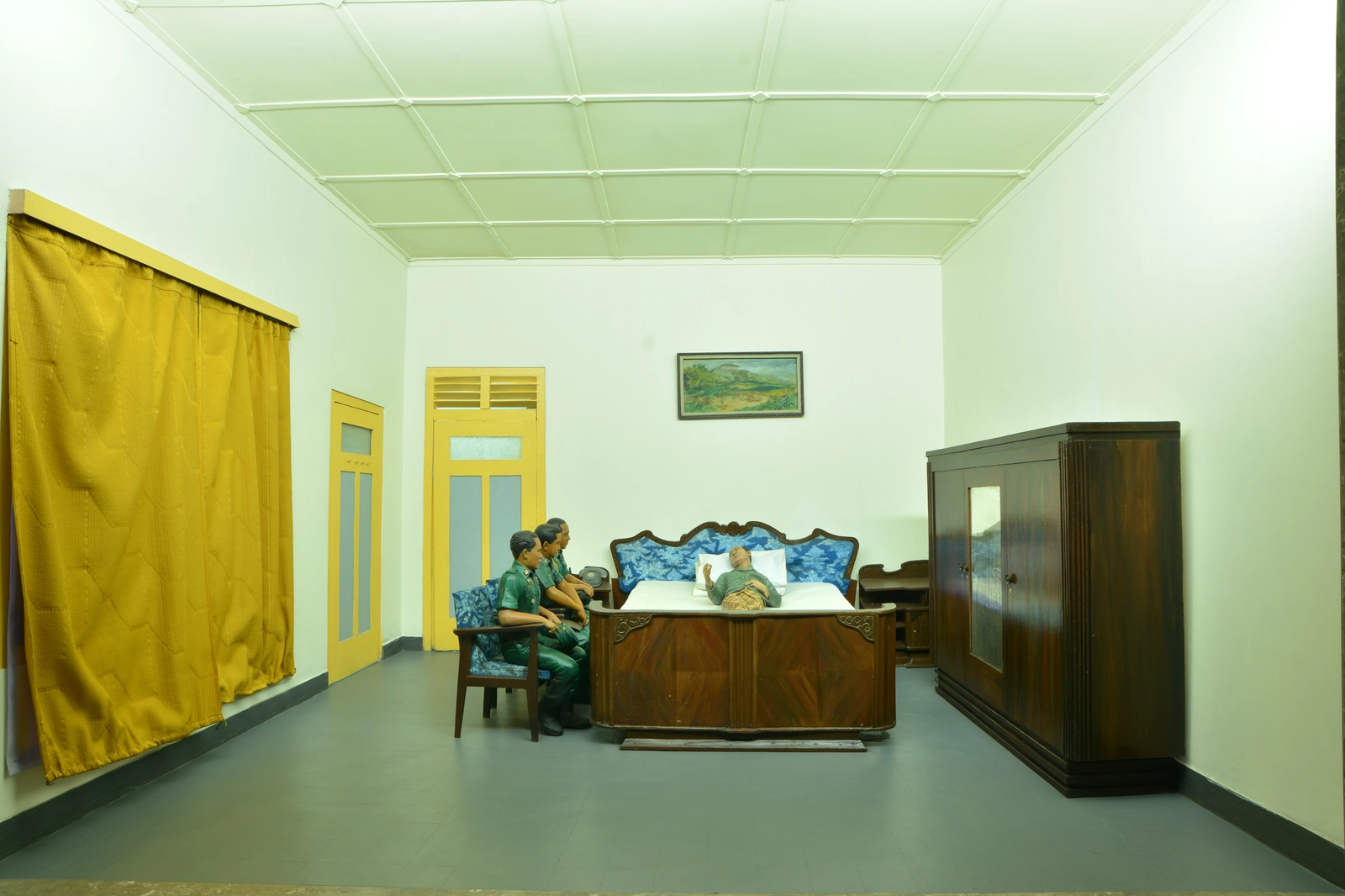
The crisis that shook the foundations of the state after the G30S/PKI coup was thwarted caused the Government to lose the people's trust. President Sukarno issued an order to Lieutenant General Suharto to restore the Government's authority and national security. Lieutenant General Suharto quickly carried out the March 11, 1966 Order by fulfilling two of the People's Triple Demands, namely dissolving the Indonesian Communist Party and purging the cabinet of Ministers indicated to be involved in the G30S/PKI.
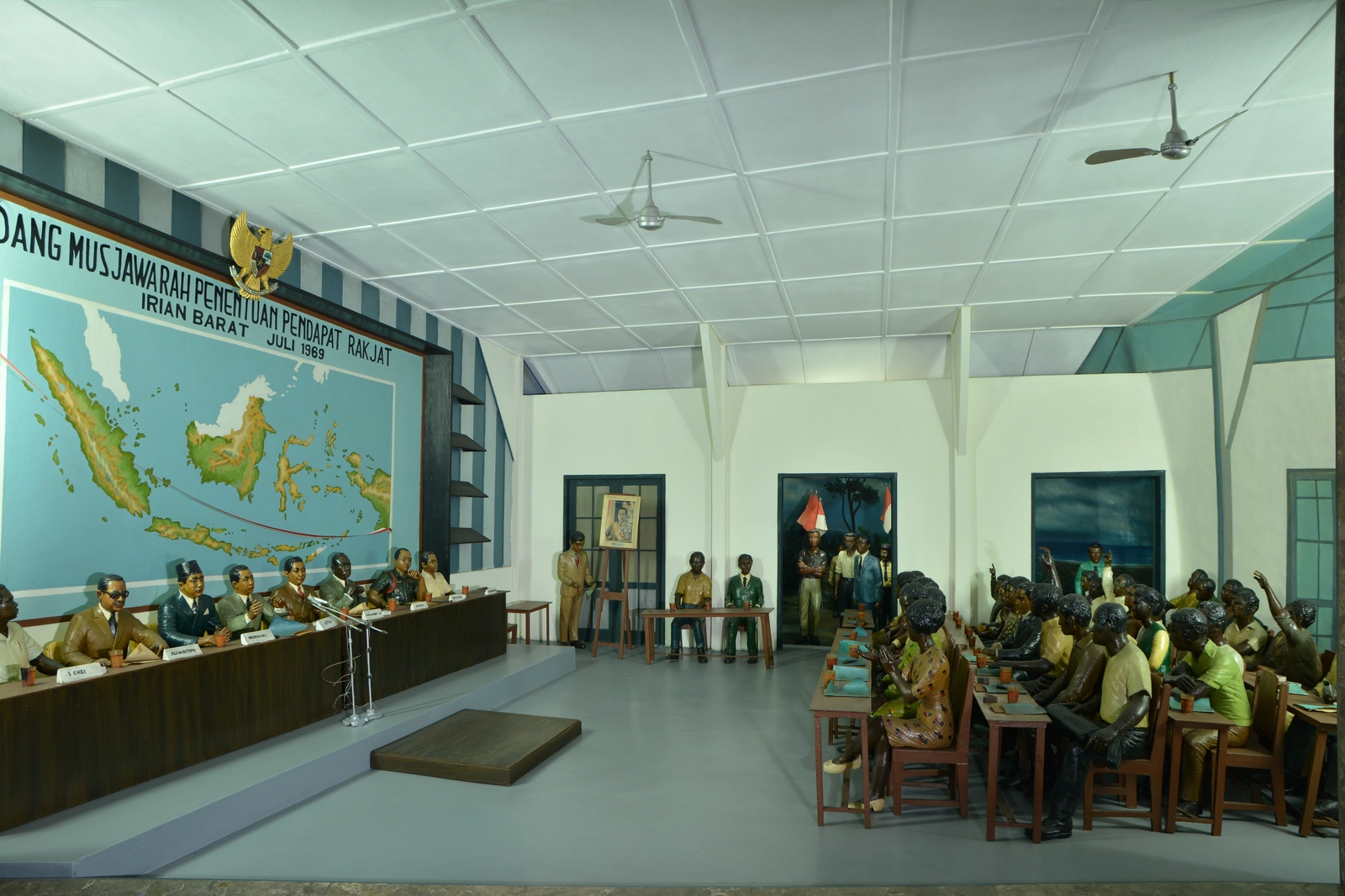
To implement the 1962 New York Agreement regarding the handover of Irian Jaya to Indonesia, the Act of Free Choice was held under UN supervision. It was conducted using a representative system for each group through tiered elections. The decision of the Consultative Council was a unanimous vote choosing that Irian Jaya remain part of the Republic of Indonesia. This was later ratified by the UN on November 19, 1969, with 84 votes in favor, 6 against, and 30 abstentions.
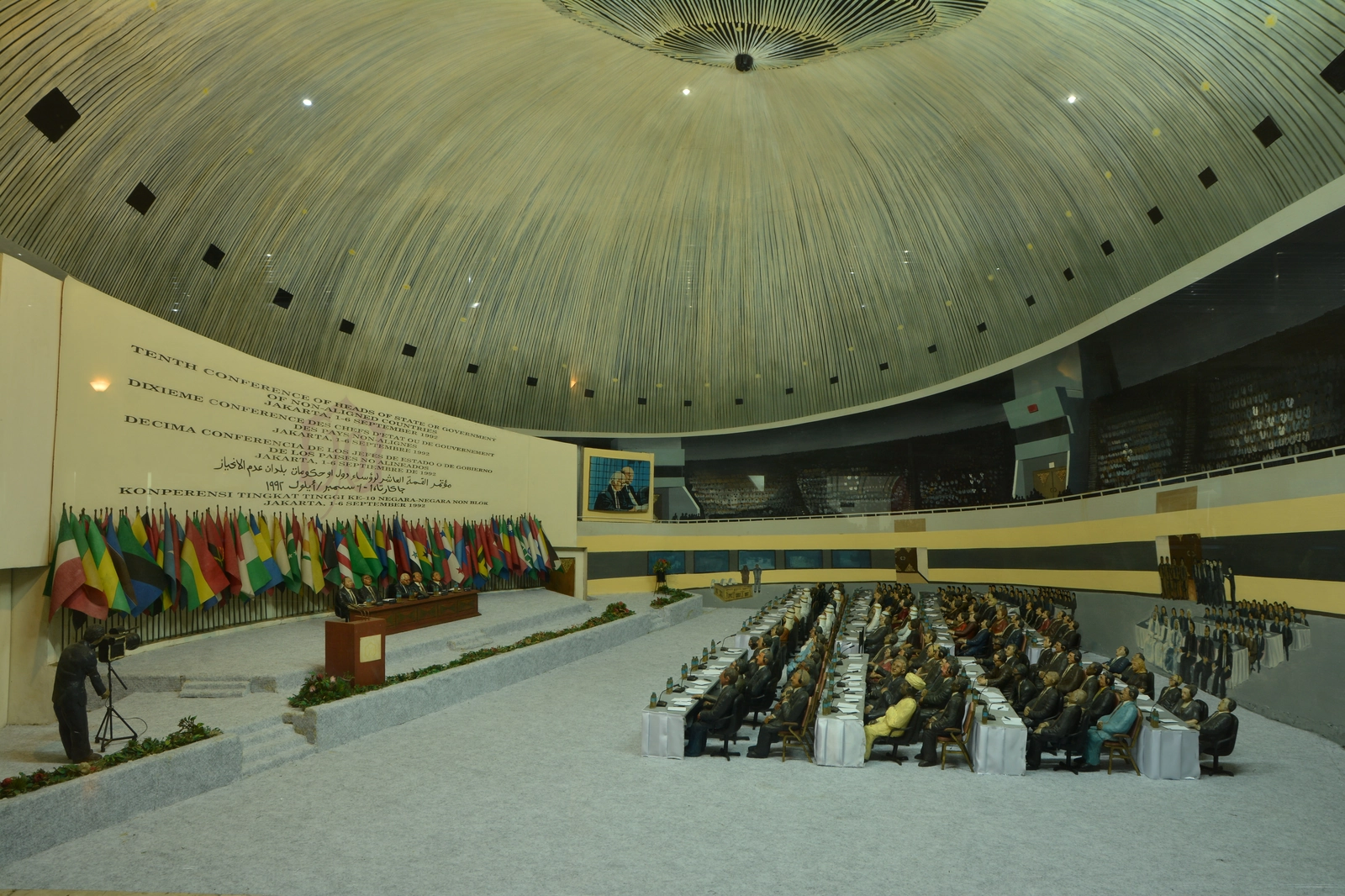
The 10th Summit of Heads of State or Government of Non-Aligned Countries was held in Jakarta from September 1 to 6, 1992. President Suharto, in his opening speech, emphasized the need for a new international order based on eternal peace, social justice, the people's welfare, and sustainable development. Representatives from 100 member countries of the Non-Aligned Movement participated in the conference; 8 countries, international organizations, and national liberation movements attended as observers, and guest delegations from 22 countries and international organizations were also present.
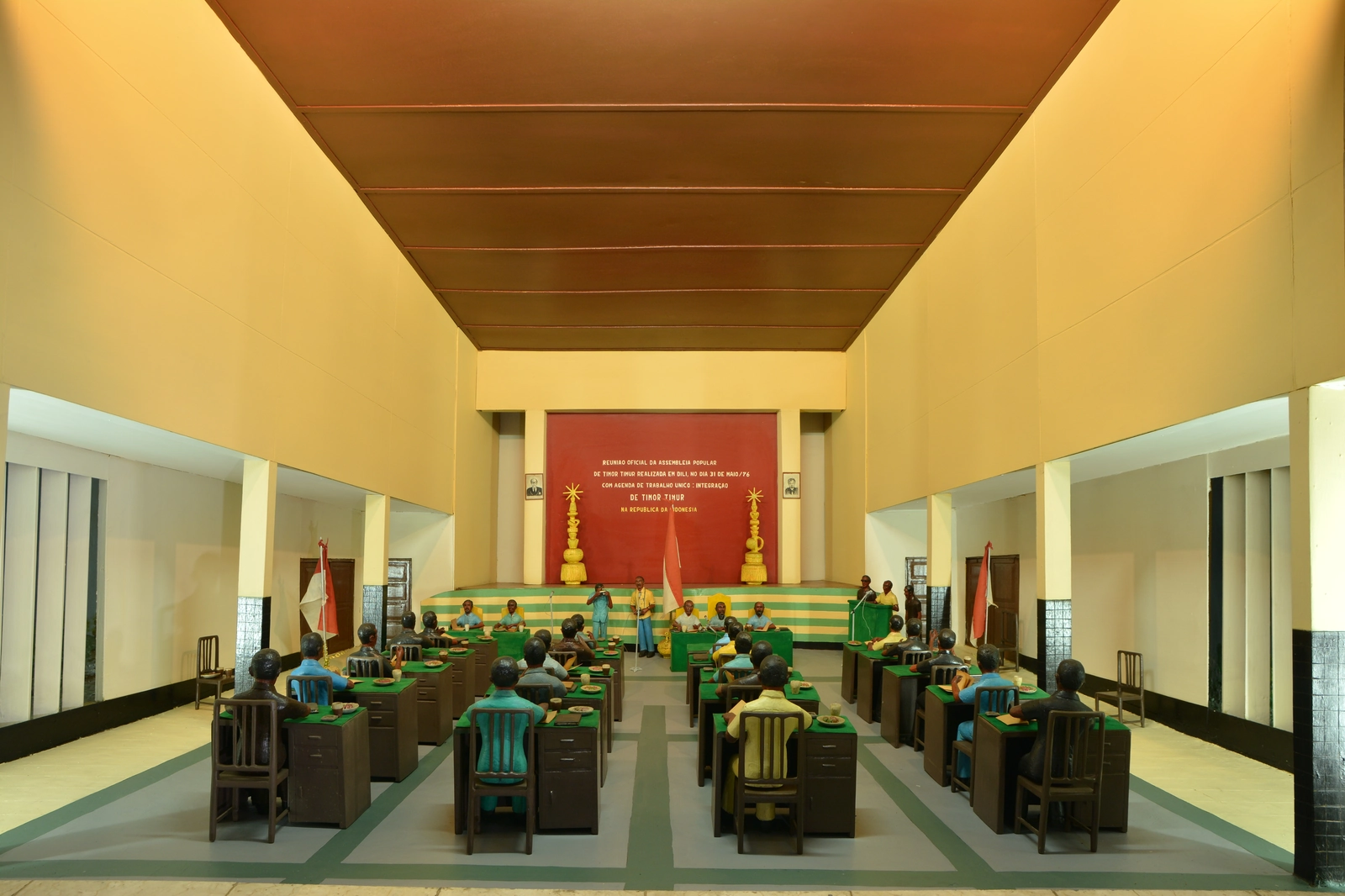
The decision of the Plenary Session of the East Timor House of Representatives on May 31, 1976, in Dili, which essentially manifested the people's will as stated in the integration proclamation of East Timor on November 30, 1975, in Balibo, urged the Indonesian government to accept and ratify the integration of the people and territory of East Timor into the Unitary State of the Republic of Indonesia as quickly as possible.
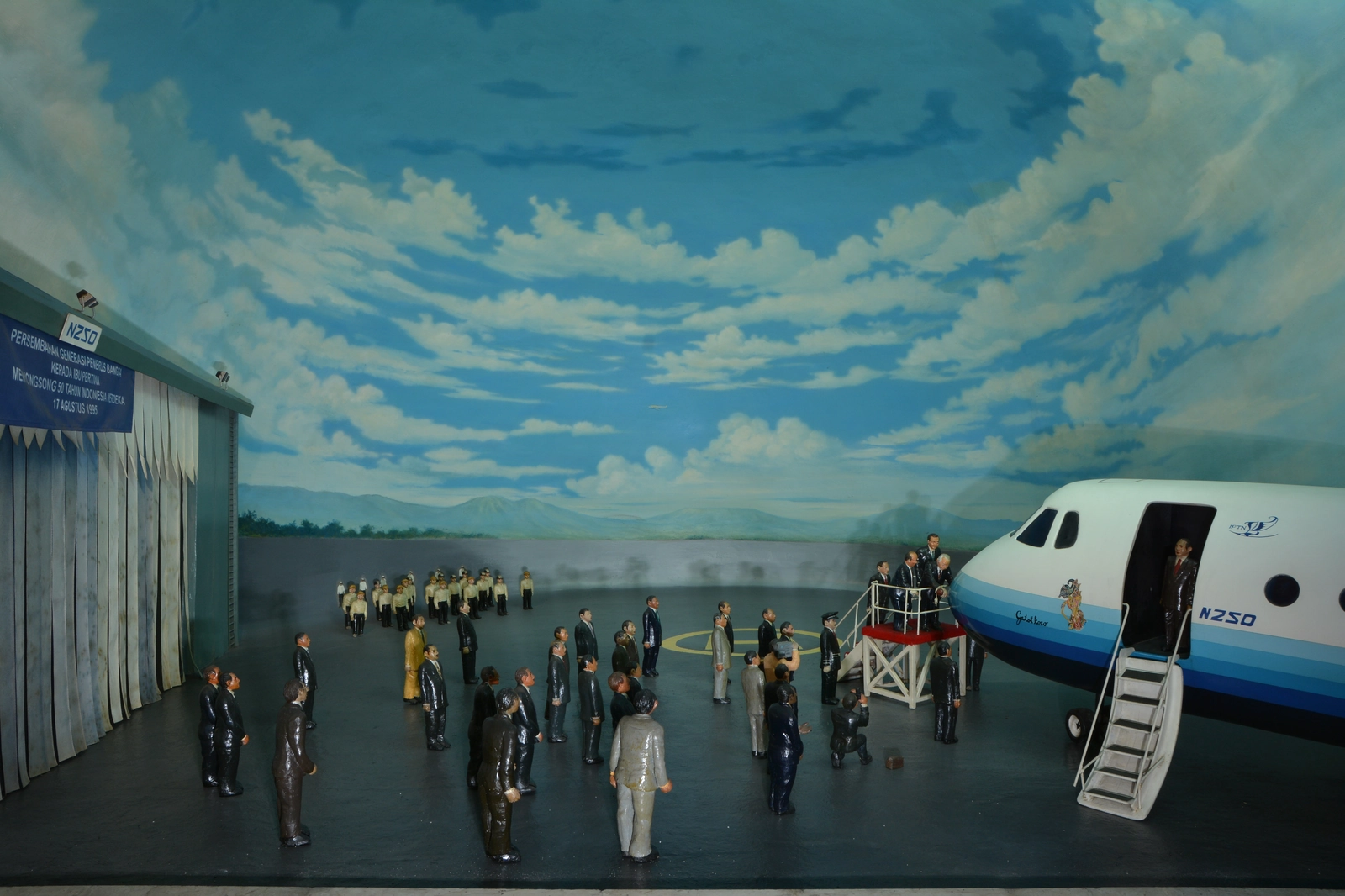
The successful maiden flight of the N-250, produced by Nusantara Aircraft Industry in Bandung on August 10, 1995, was a proud achievement by the sons and daughters of Indonesia in the effort to develop and apply high technology in the aerospace sector. In connection with this, August 10 was designated as National Technology Awakening Day.